
Why Does a Permanent Movement Joint Require Flexible Polyurethane Joint Sealing?
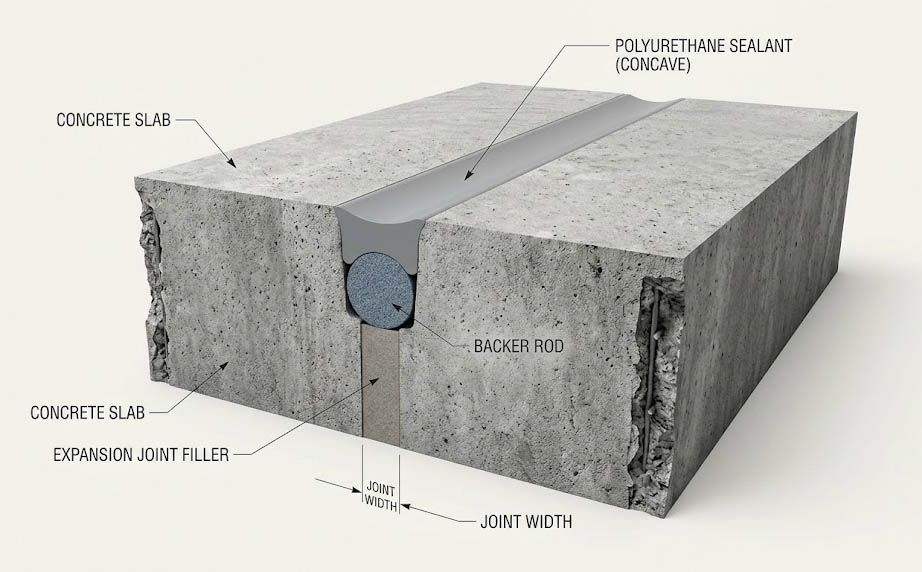
A permanent movement joint is designed to keep moving throughout the life of a building. As the structure expands, contracts or shifts, the joint opens and closes with it. That’s why it needs a flexible sealant that can handle repeated movement without cracking or losing its bond.
Polyurethane sealant is commonly used for expansion joint sealing and waterproofing because it offers the flexibility, strength and durability needed to keep these joints protected.
Why Do Movement Joints Move?
Buildings are constantly exposed to conditions that cause materials to move. Some of the most common reasons include:
- Temperature changes: Concrete, masonry, metal and other building materials expand in the heat and contract when temperatures drop. Different materials also move at different rates.
- Moisture and shrinkage: Concrete naturally shrinks as it cures and dries, while some materials expand or contract depending on moisture levels.
- Structural movement: Building settlement, wind, vibration and everyday loads can cause adjoining surfaces to shift.
These movements happen repeatedly, so the joint sealant needs to withstand ongoing stretching and compression rather than just a single movement.
Why Is Polyurethane Sealant Suitable for Movement Joints?
Flexible polyurethane sealant is a popular choice for concrete joint sealing, expansion joint repairs and waterproofing applications because of its ability to accommodate movement while maintaining a strong seal.
- Flexibility to Handle Ongoing Movement: Many polyurethane sealants can accommodate movement of around ±25% of the joint width, with some products offering greater flexibility. This allows the sealant to stretch and compress as the building moves, reducing the risk of cracking or splitting.
- Ability to Return to Its Original Shape: Polyurethane is an elastic material, meaning it can recover its shape after being stretched or compressed. Unlike rigid fillers that may crack under pressure, a suitable polyurethane sealant can continue performing through repeated movement cycles.
- Strong Adhesion to Different Surfaces: Polyurethane sealants can bond well to concrete, stone, masonry and certain metals when the surfaces are properly prepared. Good adhesion is important because it prevents the sealant from pulling away from the sides of the joint, which is a common cause of leaks and joint failure.
- Protection Against Water Leaks: Movement joints are common areas for water to enter a building, especially when the existing sealant has cracked or deteriorated. Proper expansion joint waterproofing helps prevent water penetration, moisture damage and leaks through concrete joints. This is particularly important for balconies, concrete slabs, car parks and other exposed areas.
- Durability in Exposed and High-Traffic Areas: Certain polyurethane sealants offer good resistance to abrasion, tearing and everyday wear.
Traffic-grade products are often used for driveway joint sealing, concrete floor joints, car park expansion joints and commercial waterproofing applications where the sealant needs to withstand regular use.
Why Can’t You Use Rigid Fillers for Movement Joints?
Materials such as mortar, grout and hard-setting fillers aren’t designed to stretch with building movement.
When the joint opens, these materials can crack or separate from the surrounding surface. Once that happens, water can enter through the gaps and cause further damage. Rigid fillers can also restrict the natural movement of adjoining surfaces, potentially leading to cracking in nearby concrete or masonry.
Using a suitable flexible joint sealant allows the building to move as intended while keeping the joint sealed.
Getting the Best Results from Polyurethane Joint Sealing
Even a high-quality sealant can fail if the joint isn’t prepared or installed correctly.
For reliable, long-lasting results, a few important steps need to be followed:
- Install a backer rod: This helps control the sealant depth and prevents it from bonding to the bottom of the joint, allowing the sealant to stretch properly.
- Maintain the correct joint dimensions: A width-to-depth ratio of around 2:1 is common for many applications, although the manufacturer’s recommendations should always be followed.
- Prepare the surface properly: Remove dust, dirt, moisture where required, and old sealant before applying the new product. Use a primer when specified.
- Choose the right sealant: Consider the amount of movement, UV exposure, foot or vehicle traffic, chemicals and water exposure.
Proper preparation and application are essential for effective movement joint sealing and long-term waterproofing protection.
Is Polyurethane Sealant Suitable for Every Movement Joint?
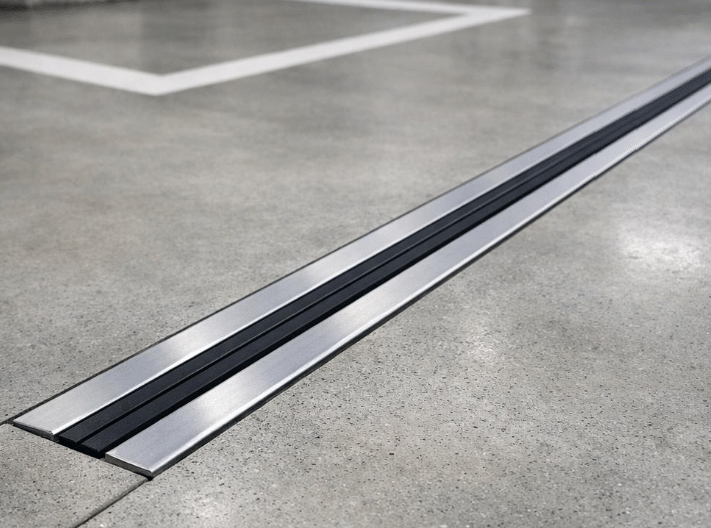
Polyurethane is a reliable option for many expansion joints, but it isn’t always the best choice.
Some polyurethane products can deteriorate under prolonged UV exposure, particularly in areas exposed to strong sunlight. For highly exposed facade joints or applications requiring greater movement capability, silicone or hybrid MS polymer sealants may be more suitable. The right sealant depends on the joint’s location, expected movement, surrounding materials and environmental conditions.
Why Proper Movement Joint Sealing Matters
Permanent movement joints are designed to move, and that movement won’t stop as the building ages.
Using a flexible, durable and properly installed sealant helps keep these joints watertight while allowing the structure to expand and contract naturally. For properties on the Gold Coast, where strong sunlight, coastal conditions and heavy rainfall can put additional stress on exposed joints, choosing the right sealant is especially important.
Whether it’s concrete expansion joint sealing, polyurethane joint repairs or waterproofing leaking movement joints, proper product selection and installation can help prevent water ingress, reduce maintenance issues and protect the structure over time.
Permanent Movement Joint Sealing: Why Flexibility Matters
Permanent movement joint sealing plays an important role in protecting concrete structures from water penetration while allowing natural expansion and contraction. Because these joints are constantly exposed to movement caused by temperature changes, structural loads and vibration, they require a sealant that can stretch and compress without cracking or losing adhesion.
Flexible polyurethane joint sealing is commonly used because it provides elasticity, strong adhesion and resistance to everyday wear. For long-term performance, the sealant must be compatible with the joint materials, installed at the correct depth and supported by a properly sized backer rod. Correct installation allows the joint to move freely while maintaining a reliable watertight seal.
Permanent Movement Joint Repair: Restoring Flexibility and Protection
Over time, even a properly sealed movement joint can deteriorate due to continuous movement, weather exposure, heavy traffic or chemical contamination. Permanent movement joint repair becomes necessary when the existing sealant starts cracking, separating from the concrete edges or losing its flexibility. Simply applying new sealant over the damaged material will not provide a lasting solution.
The failed sealant must be removed, the joint surfaces properly prepared and a suitable flexible polyurethane sealant installed according to the manufacturer’s specifications. Professional joint repair restores the joint’s ability to accommodate movement while helping prevent water ingress, concrete deterioration and corrosion of embedded steel reinforcement.
Permanent Movement Joint Maintenance: Extending Sealant Performance
Regular permanent movement joint maintenance helps ensure that flexible polyurethane sealants continue performing as intended. Although polyurethane is designed to withstand repeated expansion and contraction, prolonged exposure to sunlight, moisture, chemicals and heavy vehicle traffic can gradually affect its condition.
Routine inspections allow building owners to identify early warning signs such as surface cracking, adhesive failure, hardening or gaps along the joint edges. Cleaning accumulated debris and addressing minor defects before they worsen can reduce the need for extensive joint replacement. This is particularly important for commercial car parks, industrial floors, concrete pavements and building facades where movement joints experience ongoing stress.
Why Flexible Polyurethane Joint Sealing Is Essential for Long-Term Protection
A permanent movement joint is designed to accommodate structural movement throughout the building’s service life, which means its sealant must remain flexible rather than form a rigid connection between adjoining surfaces.
Flexible polyurethane joint sealing provides the elasticity needed to accommodate repeated movement while helping prevent water and contaminants from entering the joint. When combined with correct installation, timely repairs and regular maintenance, it can significantly reduce premature sealant failure and moisture-related deterioration. For commercial, industrial and residential structures across Brisbane, the Gold Coast and surrounding South East Queensland areas, selecting an appropriate polyurethane joint sealing system is an important part of protecting concrete structures and maintaining their long-term performance.
Reference
SealTech Industries
Expert joint sealing & waterproofing solutions for Southeast Queensland.
Contact Us