How to Properly Seal a Vertical Construction Joint in Concrete Wall to Prevent Water Leakage?
A vertical construction joint in concrete wall is commonly found in commercial buildings, industrial facilities, retaining walls, basements, and other concrete structures. These joints form where separate concrete pours meet, allowing construction to proceed in stages. However, poorly sealed joints can become pathways for water penetration, potentially causing dampness, concrete deterioration, and damage to surrounding […]
How to Properly Install, Repair or Replace Concrete Expansion Joint Filler in High-Traffic Slabs
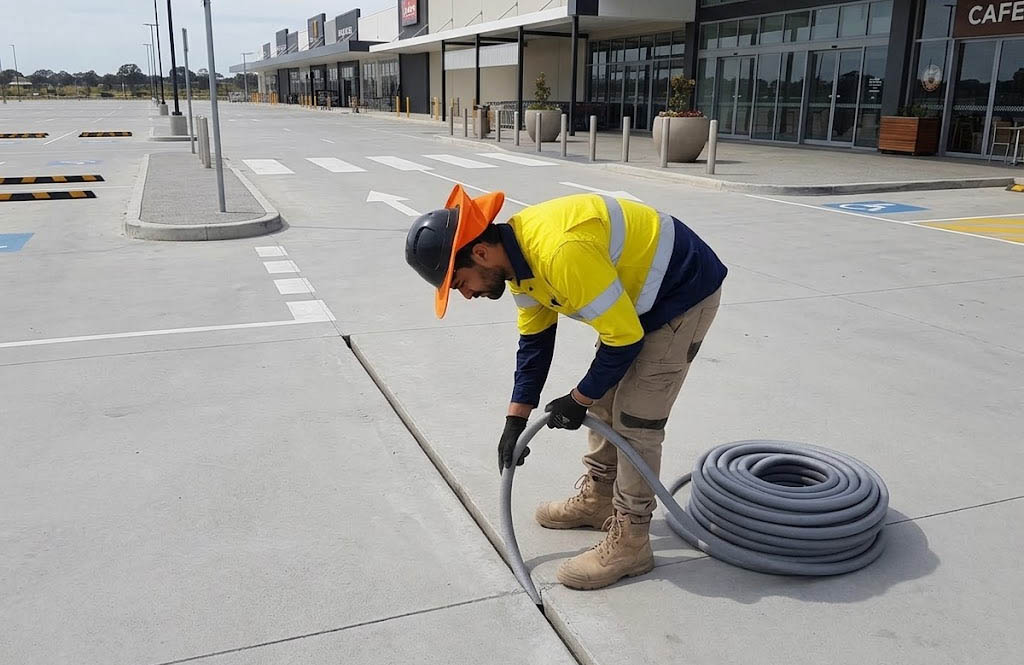
“Surface Prep, Material Selection, and Application Techniques That Prevent Premature Failure” Joints are usually the first part of a slab to fail, whether it’s a warehouse floor, a loading dock or a residential driveway. This guide covers concrete expansion joint filler installation, repair and replacement using semi-rigid polyurethane or polyurea products. Whether handling industrial […]
Concrete Joint Waterproofing vs. Sealing: How to Choose the Right System
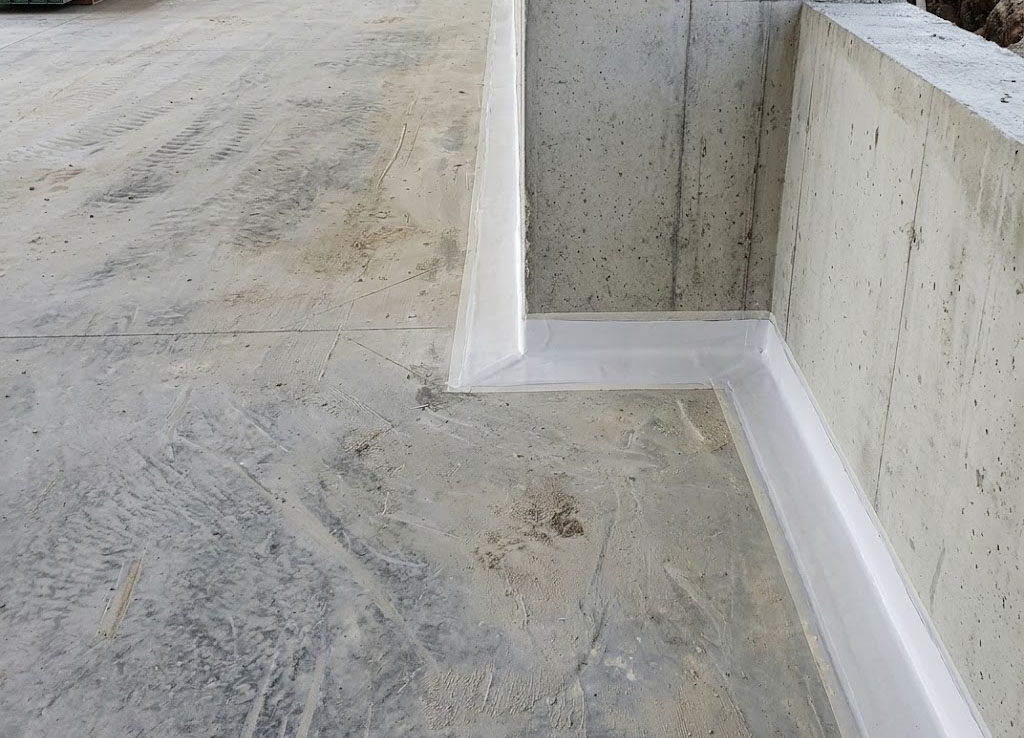
Concrete naturally expands, contracts and moves over time. Engineered joints allow for this movement, help manage structural stresses and make staged concrete pours possible. However, every joint also creates a potential weak point where water can enter the structure. If a joint isn’t detailed or protected correctly, water ingress can lead to leaks, deterioration, sub-base […]
When Do Driveway Control Joints Need Resealing or Maintenance?
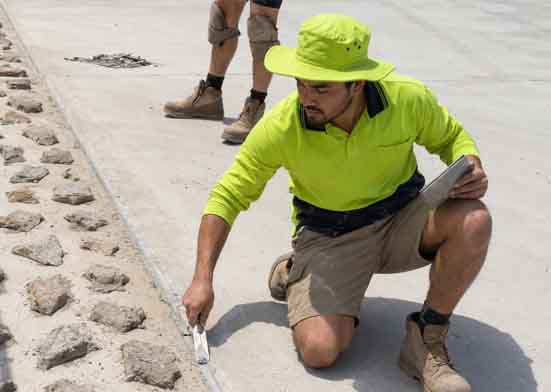
Driveway control joints—also known as concrete contraction joints or expansion gaps—are engineered cuts placed in concrete slabs to manage stress, movement, and natural cracking. However, over time, the flexible caulking and flexible joint sealants installed inside these gaps degrade. Exposure to harsh Queensland sun, heavy vehicular loads, and extreme weather conditions causes joint sealants to […]
How to Prepare Concrete Before Applying a Polyurethane Expansion Joint
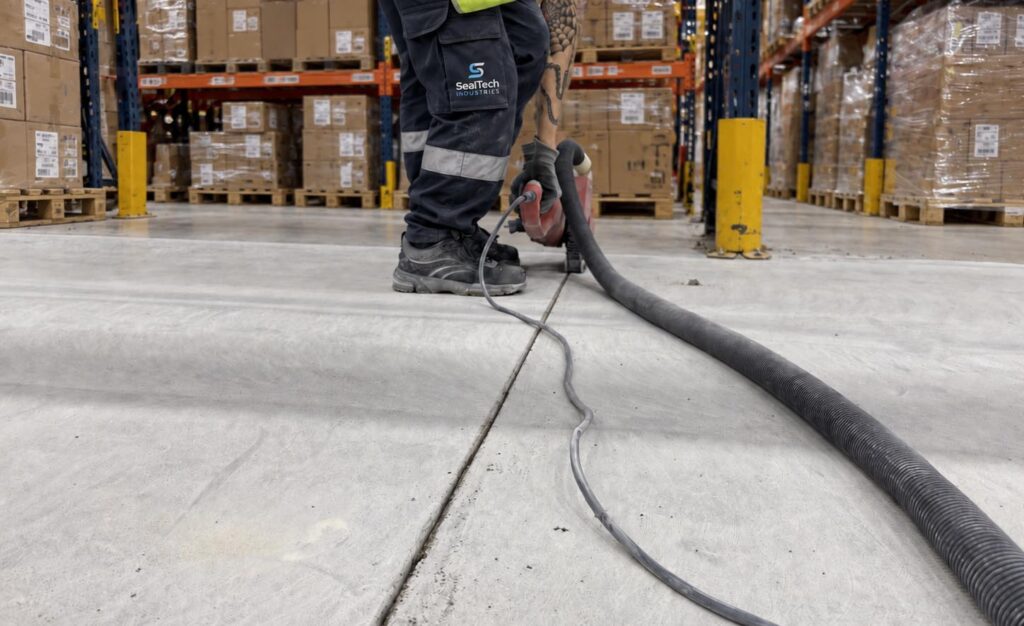
Poor concrete preparation is one of the most common reasons a polyurethane expansion joint fails earlier than expected. Even a high-quality polyurethane sealant will struggle to perform if the joint hasn’t been properly cleaned, dried, profiled and prepared before application. Dust, moisture, oils, old sealant and weak concrete can all interfere with adhesion. Over time, […]
What Materials Are Used for Concrete Cold Joint Waterproofing
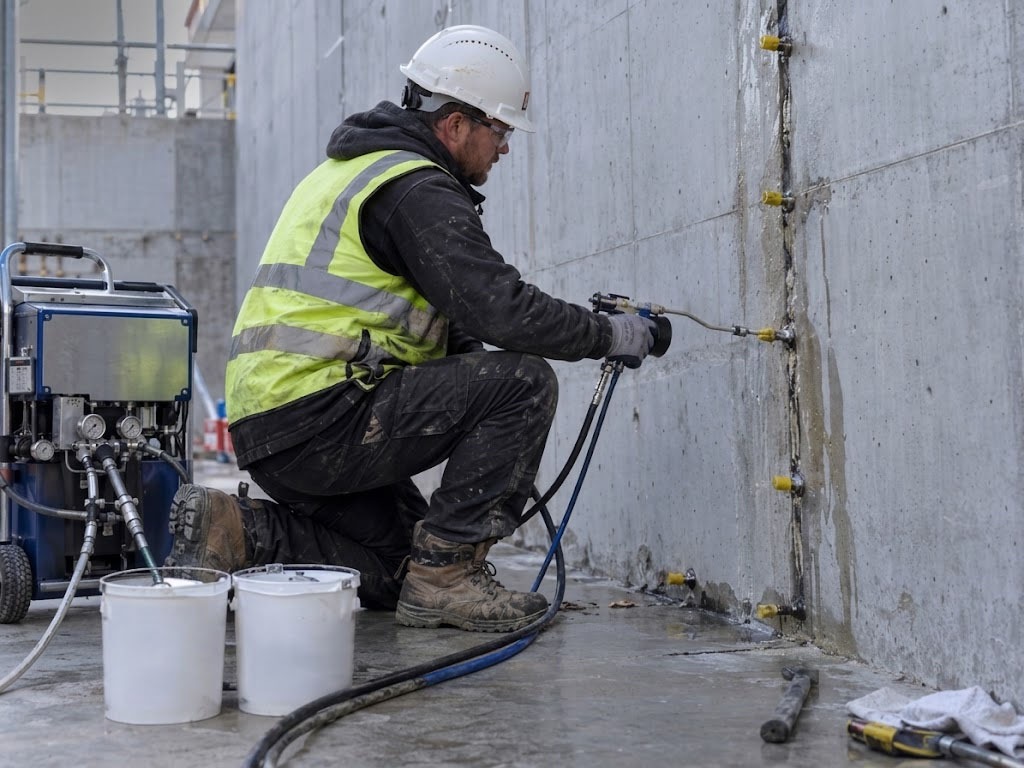
Using the wrong materials for concrete cold joint waterproofing can lead to premature leaks, poor adhesion, cracking, and water penetration through the joint between two separate concrete pours. If the selected waterstop, sealant, injection resin, or membrane cannot handle the expected water pressure, joint condition, or structural movement, moisture can eventually pass through the cold […]
Why SealTech Industries’ Expansion Joint Maintenance System Is the Right Choice for Your Business
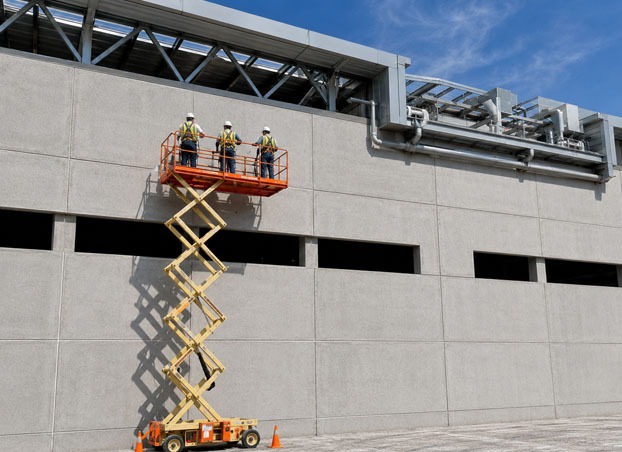
Expansion joints play a critical but often overlooked role in the durability of industrial and commercial infrastructure. They absorb movement, vibration, and thermal expansion, protecting structures from cracking, leaking, and premature failure. Yet many businesses only think about their expansion joints once something goes wrong — by which point repairs are costly, downtime is unavoidable, […]
How Precision Caulking for Industrial Facilities Prevents Costly Water Ingress
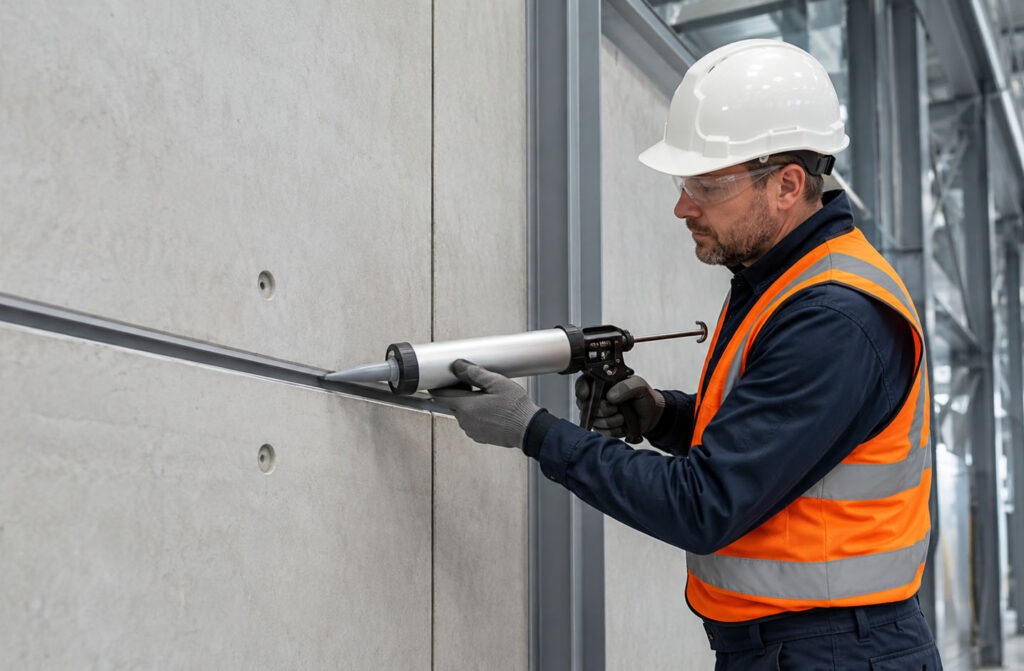
In busy industrial facilities and warehouses, keeping the building properly sealed is essential. Heavy machinery, temperature changes, building movement and harsh weather can all place ongoing stress on joints and seals. When those seals begin to fail, even small amounts of water ingress can gradually cause serious damage. Professional precision caulking for industrial facilities helps […]
Best Practices for Designing a Concrete Joint Waterproofing System
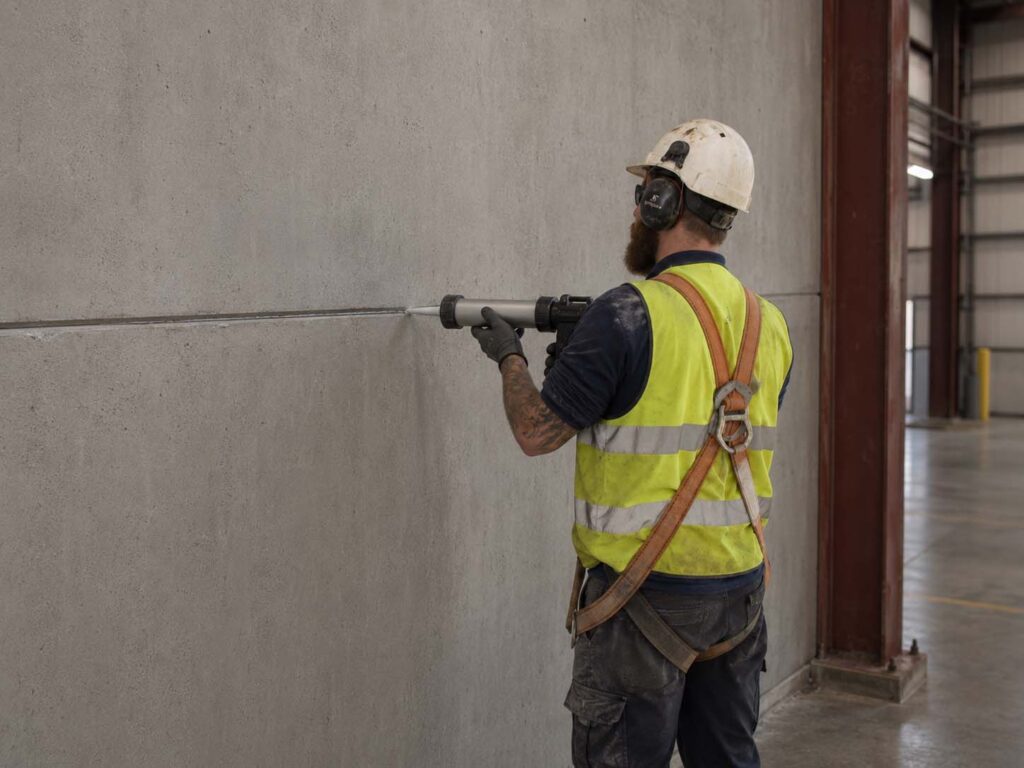
A well-designed concrete joint waterproofing system prevents leaks, protects structural integrity, and extends the life of concrete structures. Because concrete joints move due to shrinkage, temperature changes, settlement, and structural movement, choosing the right waterproofing solution is essential. 1. Identify the Joint Type Different joints require different waterproofing methods. Joint Type Primary Purpose Movement […]
The Engineer’s Guide to Expansion Joint Waterproofing for Long-Term Structural Protection
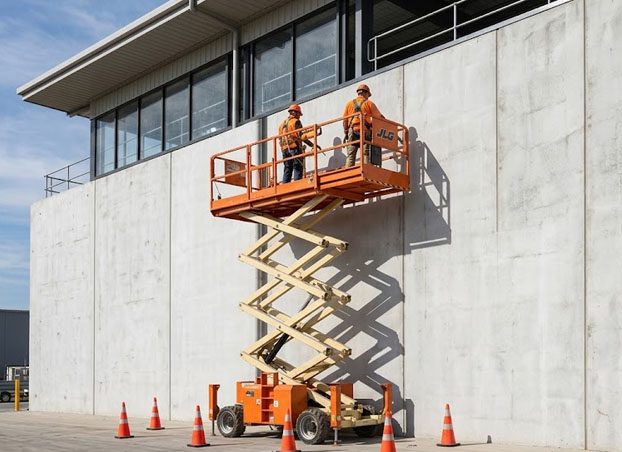
Expansion joints are designed to protect structures by allowing for natural movement, but they’re also one of the most common points of waterproofing failure in modern construction. Because these joints must accommodate thermal expansion and contraction, concrete shrinkage, structural movement, and even seismic activity, they should never be treated as fixed or static elements. When […]