
SEALTECH INDUSTRIES
Pavement Crack & Joint Sealing
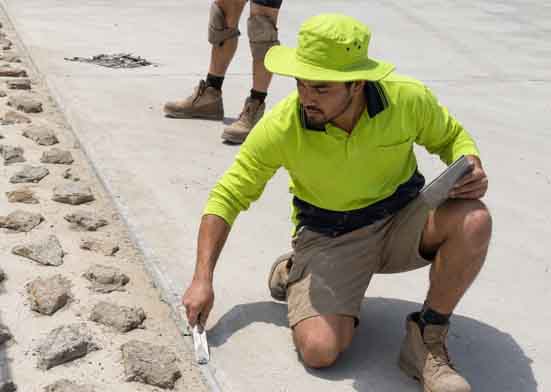
Cracks and failed joints in concrete and asphalt pavements allow water to penetrate the surface, leading to base deterioration, edge breakdown and premature pavement failure. Pavement crack and joint sealing is a preventative maintenance solution designed to reduce water ingress, protect pavement performance and extend service life.
Service Area: South-East Queensland and Northern NSW (Brisbane, Gold Coast, Ipswich, Moreton Bay, Redland City and surrounding regions)

Protect Your Pavement and Extend Its Service Life
Open cracks and failed joints are one of the earliest signs of pavement deterioration. If left untreated, they allow water, debris and contaminants to enter the pavement structure, increasing the risk of base failure, potholes, joint breakdown and costly repair work.
Why Choose SealTech Industries?

Commercial, Industrial & Civil Focus
We work in commercial, industrial and civil environments where pavement systems are exposed to traffic loading, weather, operational wear and ongoing movement. Our focus is on practical, specification-aligned sealing solutions for real asset conditions.

Preventative Maintenance Mindset
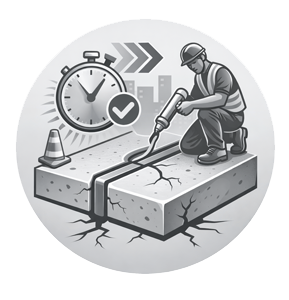
Pavement crack sealing is not just a surface treatment. It is a proactive maintenance strategy that helps reduce water ingress, slow pavement deterioration and extend the life of the asset.

Fast, Efficient Delivery
We understand that downtime affects operations. We use fit-for-purpose systems and staged delivery methods to minimise disruption and support efficient return to service wherever site conditions allow.

Local Knowledge
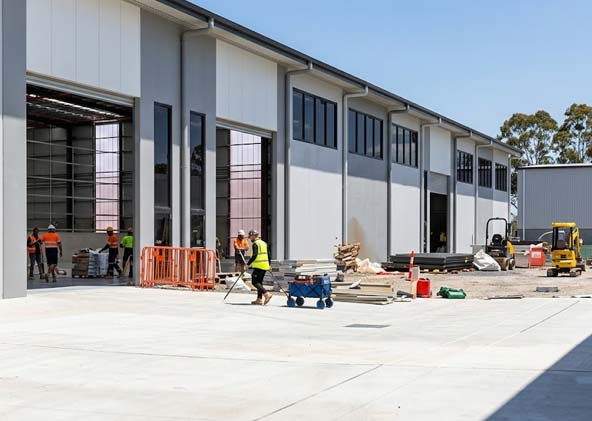
Our team delivers pavement joint sealing works across warehouse developments, hardstand areas, commercial pavements, industrial sites and external concrete infrastructure.
Experienced Joint Sealing Team
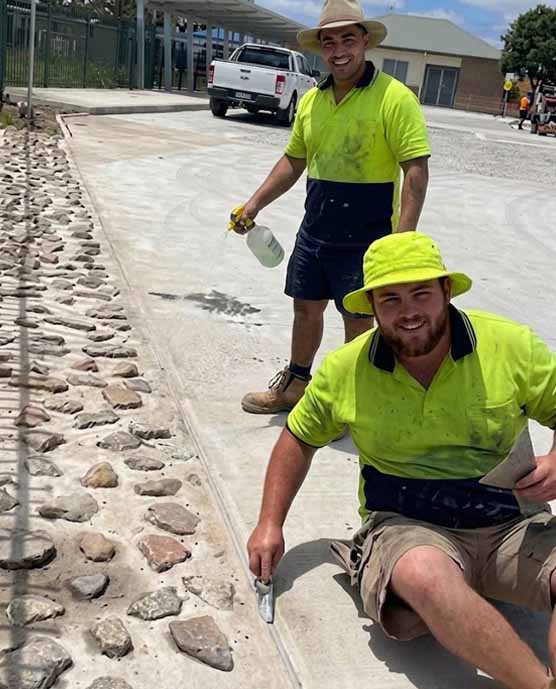
Our technicians bring experience across logistics facilities, infrastructure projects, high-rise developments and heavy-use industrial environments.

Our Process: Practical, Site-Specific and Built for Performance
We do not take a one-size-fits-all approach. Every pavement is assessed based on the crack type, joint condition, movement profile, traffic demands and operating environment.

Inspection & Assessment
We assess the pavement condition, crack or joint profile, likely movement, surrounding substrate condition and intended service environment to determine the most suitable treatment approach.
Cleaning & Preparation
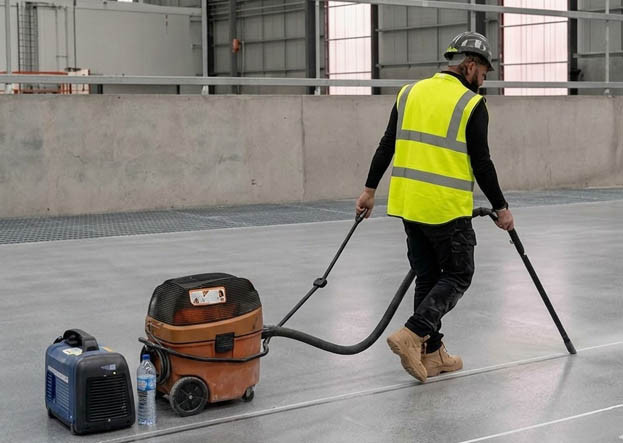
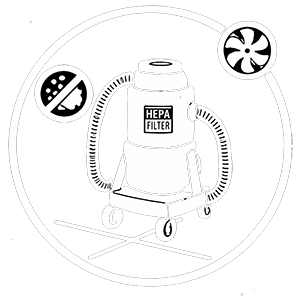
All pavement cracks and joints are properly cleaned to remove dust, debris and loose material so the selected sealant system can achieve proper adhesion.
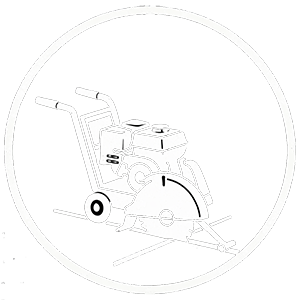
Routing or Reservoir Preparation (Where Required)
Where appropriate, cracks or joints may be routed or prepared to form a more consistent sealant reservoir and support improved long-term sealant performance.
Sealant Installation
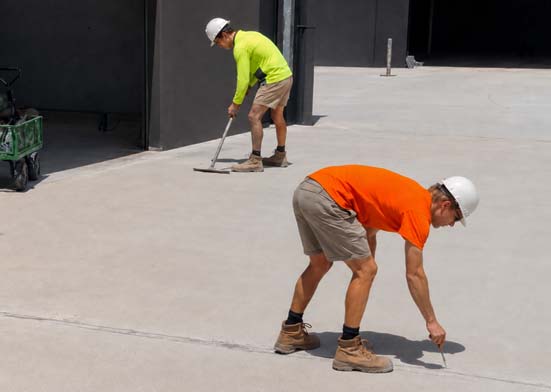
We install suitable flexible joint sealant systems selected for the pavement type, movement characteristics and service conditions of the site.

Final Check & Site Presentation
Completed pavement sealing works are checked for consistency, adhesion and finish to ensure the installation is clean, functional and aligned with project requirements.
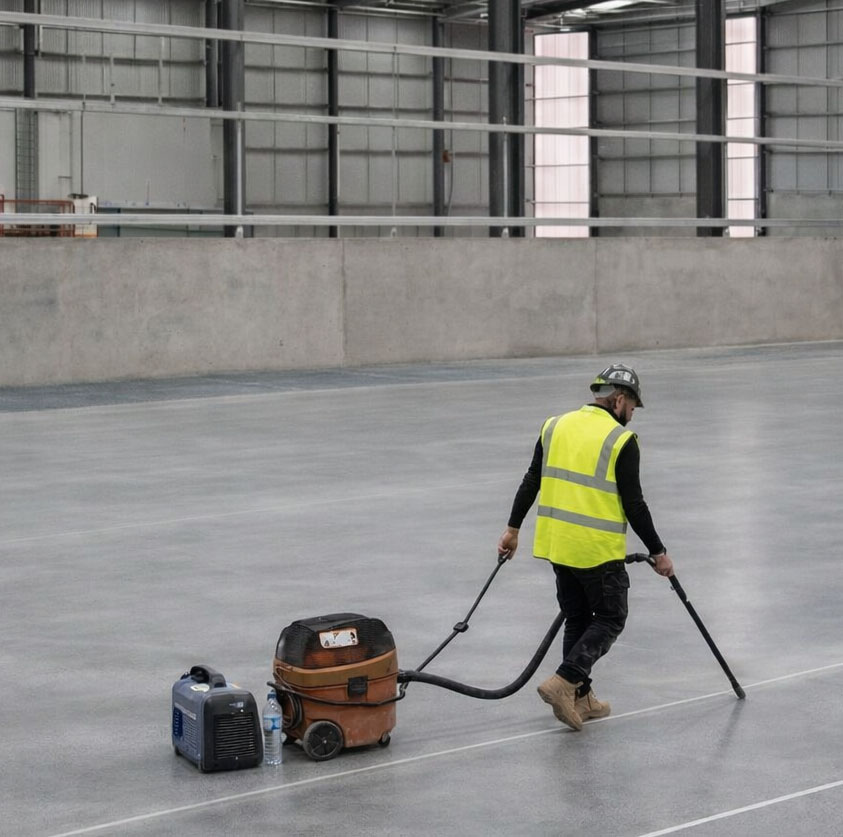

INDUSTRIES WE SERVICE
We provide pavement crack and joint sealing solutions across a range of commercial, industrial and civil environments.

Commercial & Retail
• Commercial developments
• Shopping centres and retail precincts
• Business parks and mixed-use sites

Industrial & Logistics
• Warehouses and distribution centres
• Logistics and freight facilities
• Manufacturing sites
• Service yards and heavy-use work areas

Public & Institutional
• Schools and education facilities
• Hospitals and health precincts
• Government and community infrastructure

Parking, Hardstand & External Pavements
• Car parks and accessways
• Hardstand and loading areas
• Forecourts and service zones
• External concrete pavement systems

COMPLIANCES
All sealing pavement projects are completed in accordance with project documentation, manufacturer technical data sheets and relevant Australian Standards where applicable to the system and project scope.


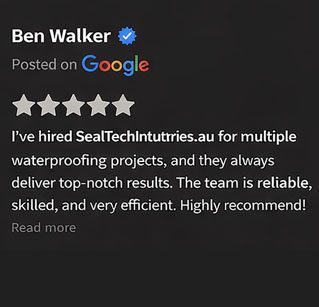
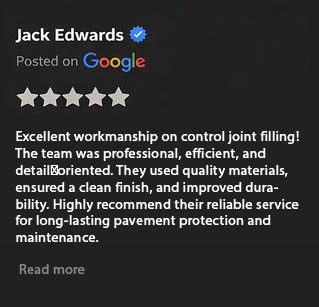
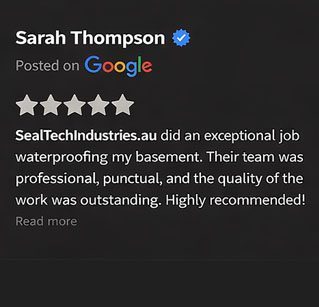
Where Every Seal Tells the Story


Hear from satisfied clients who trust our expertise in sealing pavement to protect and extend the life of their surfaces.
Key Advantages of Professional Pavement Crack & Joint Sealing

Reduces Water Ingress
Sealing open cracks and joints helps reduce water penetration into the pavement structure, lowering the risk of base weakening and progressive surface failure.
Slows Pavement Deterioration
Early intervention helps prevent cracks and failed joints from worsening, which can reduce future repair scope and extend pavement service life.

Supports Safer, Cleaner Asset Presentation
Well-maintained pavements present better, perform better and help reduce loose debris, vegetation growth and visible surface neglect.
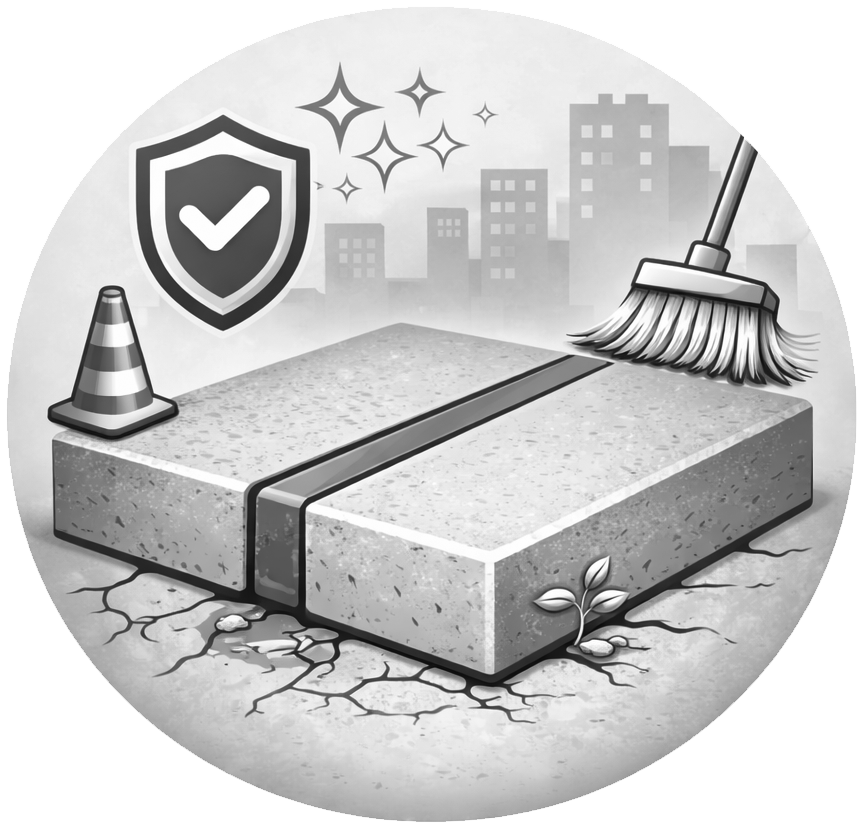
Efficient Preventative Maintenance
Compared with major repair or replacement works, crack and joint sealing is a cost-effective maintenance measure that helps preserve existing pavement assets.
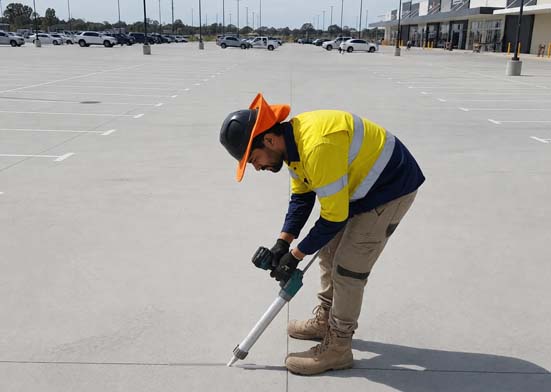
our projects
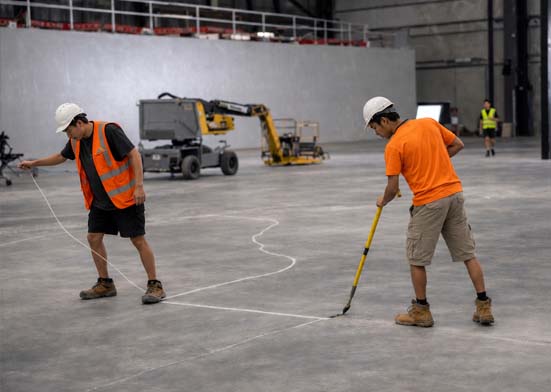
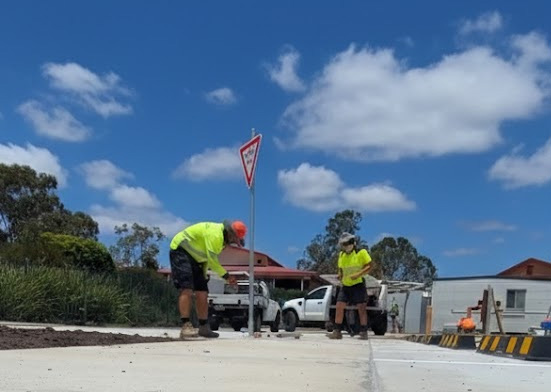
SealTech Industries delivers pavement joint sealing and maintenance works across commercial, industrial and civil environments.
Our project approach is practical, responsive and aligned to long-term asset performance.


All work is completed in accordance with project documentation, manufacturer technical data and relevant standards where applicable.
Request a Site Inspection
FREQUENTLY ASKED QUESTIONS?
How long before the pavement can be used after sealing?
Return-to-service times depend on the sealant system used, weather conditions and the site environment. For many projects, areas can be returned to service relatively quickly once the product has reached the required cure stage.
How long does pavement crack sealing last?
Service life depends on the pavement crack condition, movement levels, traffic exposure, sealant type and ongoing maintenance environment. Sites with heavier traffic and greater movement may require more frequent maintenance.
What types of pavement cracks and joints can be sealed?
This depends on the pavement material, crack condition, crack width, joint profile and whether the movement is active or stable. A site assessment helps determine whether sealing pavement is the appropriate treatment.
Which materials are used for professional pavement joint sealing?
- Polyurethane Sealants: Known for high elasticity and durability.
- Silicone Sealants: Excellent for high-movement joints and UV resistance.
- Epoxy Joint Fillers: Typically used for saw-cut control joints in industrial floors to protect joint edges from heavy forklift traffic. .
How often should pavement cracks be inspected?
Commercial and industrial pavements should be inspected regularly as part of a preventative maintenance plan. Early treatment of pavement cracks and joint failure can help avoid more significant deterioration.
Is pavement crack sealing better than full pavement replacement?
Where the pavement is still structurally serviceable, pavement crack repair and sealing is often a more cost-effective maintenance measure than premature replacement. It is most effective when carried out before deterioration becomes advanced.
Does pavement crack sealing comply with Australian Standards?
Yes. When performed correctly, pavement joint sealing is completed in accordance with relevant Australian Standards (such as AS 3727 for residential pavements or specific engineering specs for commercial lots).
This ensures the sealant can handle the expected thermal expansion and contraction of the local environment without rupturing.
What area do you service?
We specialise in sealing pavement for residential and commercial properties in the following areas:
Brisbane
- Ascot
- Hamilton
- New Farm
- Teneriffe
- Paddington
- Bulimba
- Bardon
- Wilston
- Highgate Hill
- Indooroopilly
Gold Coast
- Mermaid Beach
- Broadbeach Waters
- Burleigh Heads
- Hope Island
- Sanctuary Cove
- Currumbin
- Palm Beach
- Varsity Lakes
- Robina
- Surfers Paradise
Ipswich
- Springfield Lakes
- Brookwater
- Ripley
- Brassall
- Yamanto
- Redbank Plains
- Goodna
- Bellbird Park
- Augustine Heights
- Raceview
Logan
- Shailer Park
- Daisy Hill
- Cornubia
- Springwood
- Rochedale South
- Loganholme
- Beenleigh
- Waterford
- Meadowbrook
- Park Ridge
Redland City
- Wellington Point
- Cleveland
- Ormiston
- Raby Bay
- Birkdale
- Thornlands
- Capalaba
- Victoria Point
- Redland Bay
- Mount Cotton