
Vertical Expansion Joints and QBCC Licensing: Why Hiring Unlicensed Caulkers Voids Your Warranties
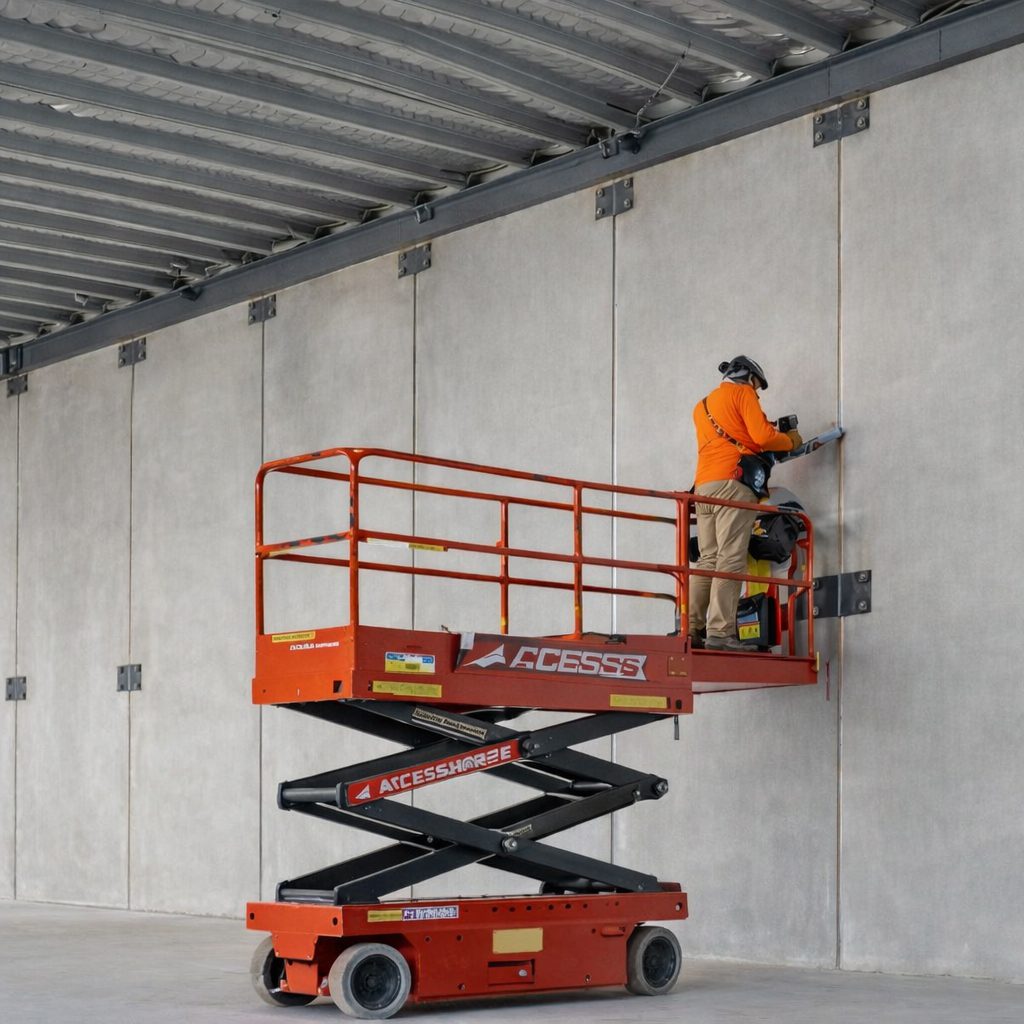
For Tier-1 builders across Queensland, protecting the structural integrity of a high-rise facade, commercial development, or multi-residential project comes down to two critical factors: controlling structural movement and preventing water ingress. At the center of this is the installed vertical expansion joint.
When properly designed and installed, vertical movement joints allow concrete panels, masonry, curtain walls, and facade systems to safely expand, contract, and shift under thermal movement, wind loads, and seismic activity. Whether it’s a vertical expansion joint detail, a vertical construction joint in concrete wall, or external facade connection, these systems are engineered to absorb movement without compromising the building envelope.
But one of the biggest mistakes project managers and estimators still make is treating joint sealing as simple “caulking” work that can be outsourced to the cheapest subcontractor available.
In reality, poorly installed vertical control joints in concrete walls can create major compliance breaches, void warranties, and expose builders to enormous rectification costs.
Here’s why hiring unlicensed applicators for vertical joint sealing is a serious risk for Queensland construction projects.
1. Manufacturer Warranties Can Be Voided Instantly
Modern joint sealing systems are highly engineered components of the building envelope.
Products such as:
- Elastomeric polyurethane sealants
- Hybrid MS polymers
- Fire-rated sealants
- Pre-compressed foam systems
- High-movement facade sealants
are all designed to perform within strict installation tolerances.
Manufacturers typically only honour long-term warranties when installation is completed by qualified, licensed professionals following the approved technical specifications.
Unfortunately, inexperienced or unlicensed silicone installers often miss critical steps during vertical joint preparation, including:
- Failing to mechanically prepare the substrate
- Ignoring contamination or release agents on concrete panels
- Using incorrect primers between concrete, aluminium, or masonry substrates
- Installing the wrong backer rod size
- Compromising the required 2:1 width-to-depth movement ratio within vertical control joints in concrete walls
The result is premature adhesive failure, joint splitting, water ingress, and facade deterioration.
Once manufacturers inspect failed joints and identify incorrect installation practices, warranty claims are typically rejected immediately.
That leaves builders responsible for the full rectification cost.
2. Water Ingress Claims and Insurance Exposure
When a failed vertical construction joint in concrete wall or facade movement joint allows moisture penetration, the damage escalates quickly.
Water ingress behind concrete panels, rendered facades, or masonry walls can lead to:
- Concrete spalling and reinforcement corrosion
- Internal mould growth
- Damaged plasterboard and finishes
- Structural deterioration
- Compromised fire-rated assemblies
For high-rise building and commercial projects across the Gold Coast, Brisbane, Ipswich, Moreton Bay and wider SE Queensland market, remediation costs can easily reach six figures — especially where access systems, swing stages, or facade replacement are required.
If insurers or investigators determine the building envelope failed because vertical movement joints were installed by unlicensed subcontractors, builders may also face denied insurance claims based on non-compliant trade engagement.
At that point, liability falls directly back onto the principal contractor.
3. The Passive Fire Protection Compliance Risk
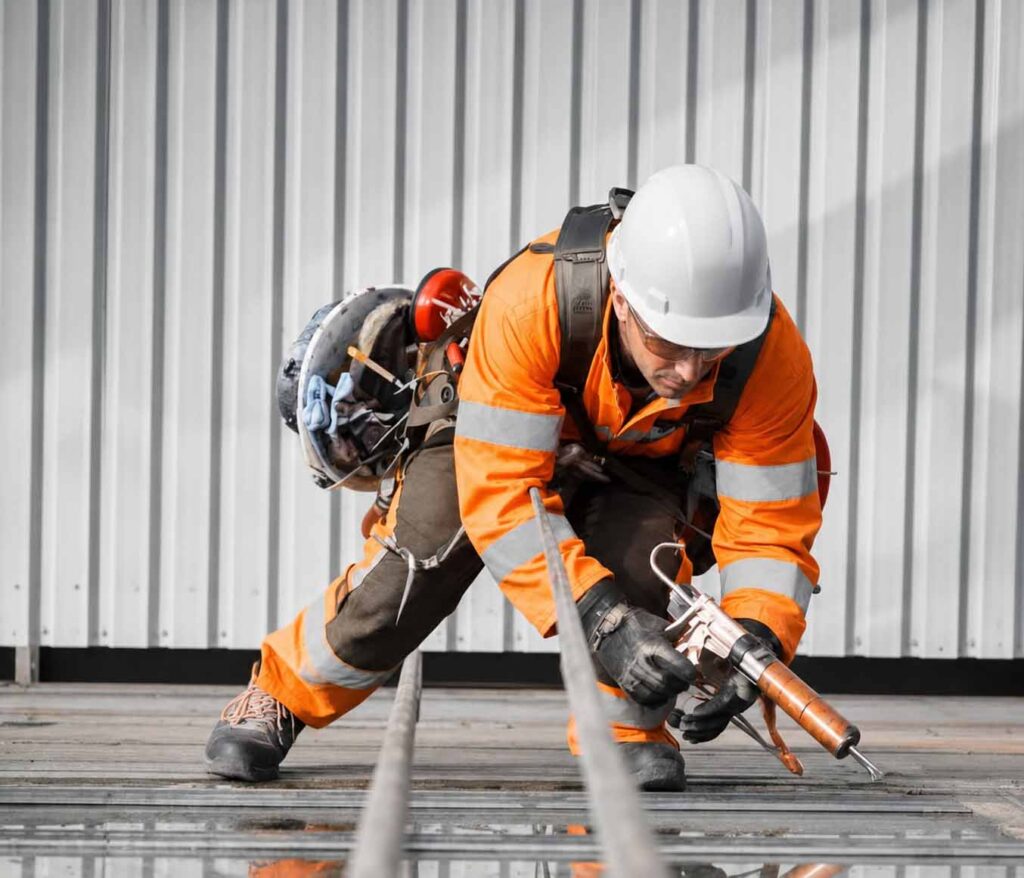
Under QBCC licensing requirements, any joint sealing work over $1,100 involving fire-rated assemblies is classified as Passive Fire Protection work.
This commonly includes:
- Vertical expansion joints in fire separation walls
- Lift shaft movement joints
- Boundary wall sealing systems
- Fire-rated facade penetrations
- Multi-storey vertical movement joints between structural elements
To legally perform this work, contractors must hold the appropriate QBCC Passive Fire Protection licence covering fire-rated joint sealing systems.
While current QBCC transitional reforms allow some licensed builders to supervise or carry out limited passive fire work until May 2030, this does not allow builders to subcontract the work to unlicensed caulkers or general labourers.
If a certifier, auditor, or fire engineer identifies that your vertical expansion joint treatment was completed by an unlicensed contractor, the consequences can include:
- Immediate compliance breaches
- Delays to certification
- Refusal of Form 16 documentation
- Significant QBCC penalties and fines
- Costly remediation requirements
For Tier-1 projects, even a single failed inspection can create major downstream delays across the build program.
Why Vertical Joint Sealing Should Never Be Treated as Cosmetic Work
A properly installed vertical expansion joint treatment is not just a cosmetic gap filler.
It is a critical structural and waterproofing component that protects the building from:
- Structural movement stress
- Fire spread
- Water penetration
- Premature facade failure
- Long-term maintenance issues
Whether dealing with high-rise towers, commercial facades, podium structures, or multi-residential developments, builders must treat vertical joint sealing with the same level of scrutiny as waterproofing, structural steel, or passive fire systems.
The Bottom Line for Tier-1 Builders, Estimators & Project Managers
If you want to protect your project, reputation, and long-term liability exposure, your joint sealing contractor must be:
- Fully QBCC licensed waterproofer from SealTech Industries
- Adequately insured
- Experienced in high-rise building and facade systems
- Capable of producing comprehensive QA documentation
- Skilled in compliant vertical expansion joint installation across commercial structures
Cutting corners on vertical control joints in concrete walls may save money upfront — but the financial and compliance consequences later can be catastrophic.
For Queensland builders, investing in qualified professionals for your vertical movement joint treatment and facade sealing systems is not optional. It’s essential to protecting the entire building envelope.
Top Articles
Related Topics:
- How to Choose the Right Strata Caulking Contractors for High-Rise Facades May 20, 2026
- What to Look for Before Committing to Caulking High-Rise Building Repairs? May 6, 2026
- Questions to Ask Before Hiring Silicone Installers May 5, 2026
- How to Stop Render Cracking Permanently with Expansion Joints April 27, 2026
- Our External Joint Sealing Solutions That Cut Maintenance Costs April 21, 2026
- How SealTech Delivers Long-Term Performance in Lateral Joint Sealing Systems? April 21, 2026
- Innovations in Construction Joint Sealing Materials and Technology April 15, 2026
- Routine Maintenance to Prevent Water Intrusion Through an Expansion Joint on Concrete Slab April 10, 2026
- Industry Uses and Best Practices of Commercial Caulking & Joint Sealing April 7, 2026
- Understanding Control Joints in Precast Concrete Walls March 26, 2026
SealTech Industries
Expert joint sealing & waterproofing solutions for Southeast Queensland.
Contact Us