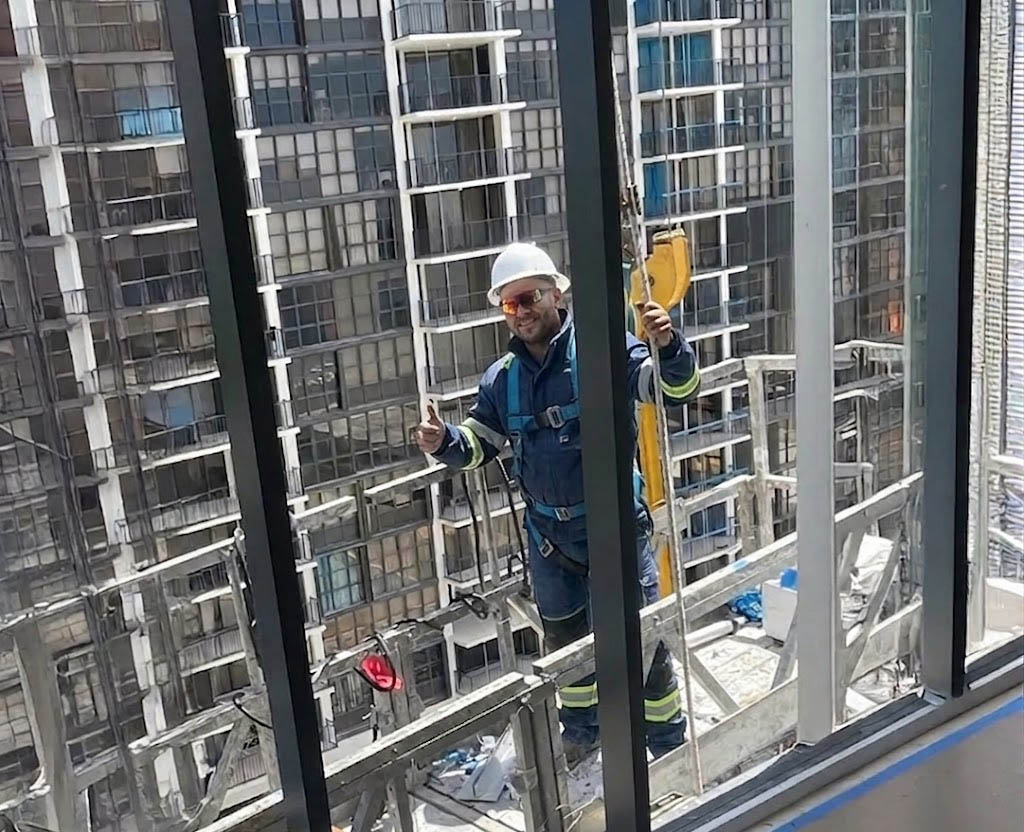
Maintaining a high-rise building comes with serious responsibility. One of the most important jobs is protecting the exterior envelope from water ingress, mould, concrete deterioration, and costly internal damage.
When a seal fails 20 storeys up, even a small gap around a window, expansion joint, balcony edge, or facade panel can quickly become a major leak. That is why high-rise and strata properties need experienced Strata Caulking Contractors, not standard domestic caulkers.
Here is what to look for when choosing the right team to protect your building’s facade.
1. Check High-Access Experience and Safety Compliance
Look for contractors with proven expertise in strata caulking services for multi-storey and high-rise buildings. They should demonstrate knowledge of façade waterproofing, expansion joint sealing, and balcony caulking. Caulking high-rise building requires specialist access equipment, training, and safety systems. Before asking about price, ask how the contractor plans to access the work areas safely.
For multi-storey buildings, this may include:
- Rope access or abseiling for efficient facade repairs without full scaffolding
- Certified anchor point checks before any high-access work begins
- Elevated work platforms where suitable for lower or more accessible sections
- Site-specific safety documentation for strata managers and body corporate committees
In Queensland, it is also important to confirm the caulking contractor holds the right licenses, such as a relevant QBCC license, along with Public Liability and Workers’ Compensation insurance suitable for commercial and high-access waterproofing work.
2. Make Sure Old Sealant Is Properly Removed
A common shortcut is applying new silicone or joint sealant over old, cracked, or loose material. This may look neat at first, but it usually fails quickly because the new product cannot bond properly.
Professional strata caulking should include:
Complete sealant removal
Old, failed caulking is mechanically cut or raked out from expansion joints, window perimeters, facade gaps, and control joints.
Thorough substrate cleaning
Dust, laitance, residue, and loose material are removed using the right tools and cleaning methods.
Primer application where required
A compatible primer is applied to help the new sealant bond correctly to concrete, glass, aluminium, brickwork, or cladding.
Backing rod installation
Foam backing rod is installed in deeper joints to prevent three-sided adhesion and allow the sealant to move properly.
This preparation is what gives facade joint sealing long-term performance.
3. Choose the Right Sealant for Building Movement
High-rise buildings move. Wind load, thermal expansion, settlement, and daily temperature changes all place stress on facade joints.
The right Strata Caulking Contractors will select products based on the building material, joint size, exposure, and movement requirements. Contractors must use high-performance polyurethane or silicone sealants that withstand UV exposure, wind sway, and Brisbane’s subtropical climate.
| Sealant Type | Best Used For | Key Performance Characteristic |
| Polyurethane / MS Polymers | Concrete tilt-up panels, brickwork expansion joints | High durability, paintable, excellent structural movement accommodation. |
| Neutral-Cure Silicone | Glass curtain walls, window perimeters, metal cladding | Exceptional UV resistance, won’t degrade under intense solar radiation, non-corrosive. |
| Fire-Rated Sealants | Acoustic partitions, service penetrations, specific fire-separating joints | Compliant with commercial fire-safety codes to stop the spread of smoke and flame. |
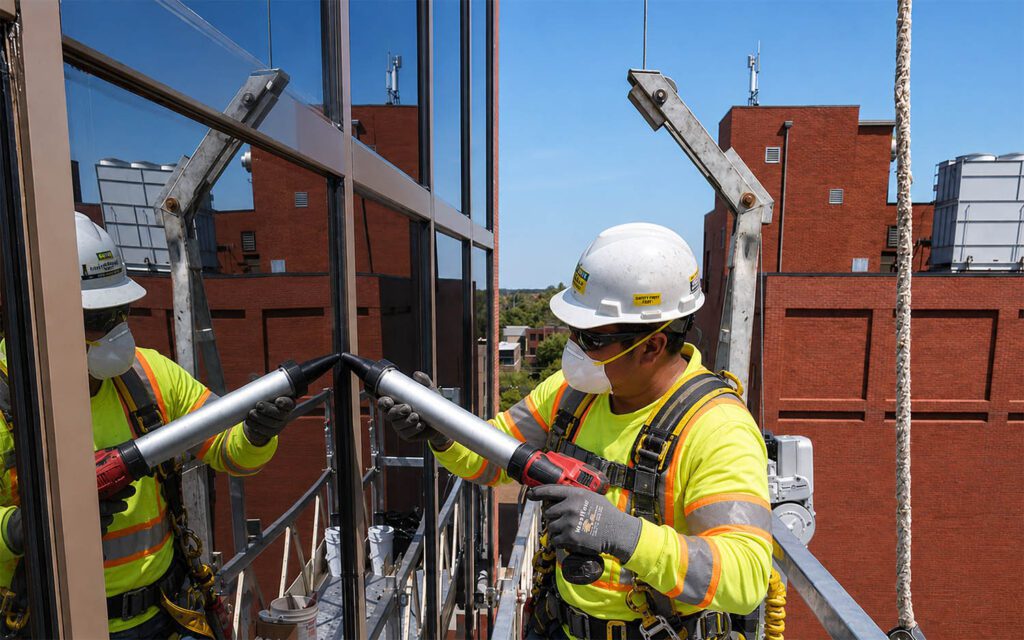
Always ask for the product specification so you know the sealant is commercial-grade, UV-stable, and suitable for the Gold Coast climate.
4. Ask About Warranties and Site Reporting
Facade leaks are not always obvious until the next major storm. That is why proper documentation matters.
A reliable strata caulking contractor should provide:
- A clear workmanship warranty
- Manufacturer product warranty information
- Before-and-after photos where practical
- A final site report for strata managers, committees, or builders
- Details of completed areas, materials used, and any further maintenance recommendations.
5. Portfolio & References
Request case studies of completed high-rise strata projects in Brisbane or Southeast Queensland. Testimonials from body corporates or strata managers add credibility. Before selecting any Strata Caulking Service, ask for examples of completed joint sealing projects involving apartment towers, commercial buildings, or strata complexes across Brisbane, the Gold Coast, or Southeast Queensland.
Actionable Step for Strata Managers: Always request a comprehensive façade inspection report before awarding contracts. This should include joint condition photos, recommended sealant types, and a detailed access plan.
For Gold Coast high-rise buildings exposed to salt air, heavy rain, humidity, and strong UV, quality caulking is not just cosmetic. It is a key part of long-term building waterproofing and protection.
Looking to plan a facade maintenance project for your property? Contact us for free inspection and report today!