
Why Filling in Expansion Joints in Concrete Requires Dust-Controlled Cutting for Commercial Sites
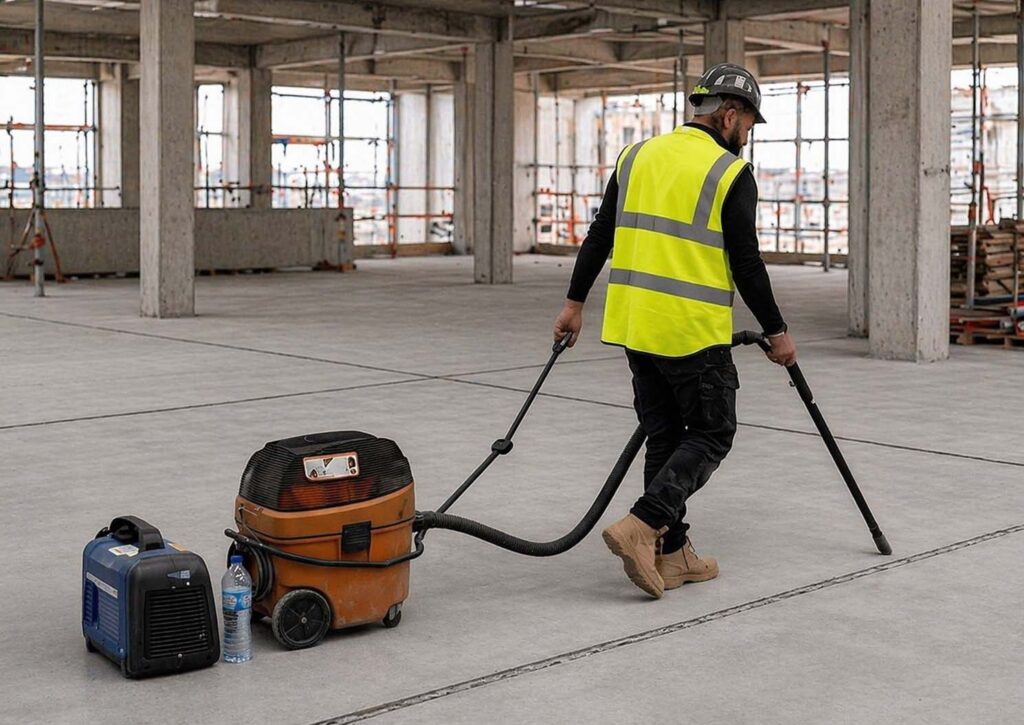
In commercial and industrial environments, properly filling expansion joints in concrete is critical for maintaining the structural performance, safety, and longevity of concrete surfaces. Whether it’s a warehouse floor, factory yard, loading dock, car park, or hardstand area, professional preparation plays a major role in the success of the repair — especially when filling control joints in concrete slabs.
One of the most important parts of the process is dust-controlled cutting.
Why Commercial Concrete Joints Need Proper Maintenance?
Concrete expansion joints and control joints are designed to absorb movement caused by:
- Heavy machinery and forklift traffic
- Thermal expansion and contraction
- Structural movement
- Shrinkage during curing
- Continuous operational wear
Over time, these joints deteriorate, crack, or become contaminated with debris and moisture. Without proper maintenance, damaged joints can lead to:
- Uneven slab movement
- Trip hazards
- Water ingress
- Edge spalling
- Premature concrete failure
Professional filling in expansion joints in concrete helps maintain operational safety while protecting the integrity of commercial concrete assets.
Why Dust-Controlled Cutting Is Essential
Before concrete joint fillers or industrial-grade sealants can be installed, the existing joint must be mechanically prepared. This often involves saw cutting, routing, or widening the joint to remove damaged material and create a clean bonding surface.
In commercial environments, uncontrolled concrete cutting dust creates serious problems, including:
- Airborne silica exposure risks
- Contamination of active workspaces
- Reduced adhesion of joint fillers
- Downtime in operational facilities
- Non-compliance with Australian workplace safety standards
Dust-controlled cutting systems use specialised extraction equipment connected directly to concrete saws and grinders, significantly reducing airborne dust during preparation.
Better Bonding for High-Traffic Commercial Floors
When filling control joints in concrete slabs, surface cleanliness directly affects the performance of the repair system. Dust left inside the joint can prevent polyurethane sealants and epoxy fillers from bonding correctly.
In commercial and industrial settings, failed concrete joint repairs can quickly become costly due to:
- Constant forklift traffic
- Heavy point loading
- Moisture penetration
- Chemical exposure
- Ongoing slab movement
Dust-controlled preparation ensures stronger adhesion, improved flexibility, and longer-lasting performance under demanding conditions.
Compliance With Workplace Health and Safety Standards
Silica dust generated during concrete cutting is classified as a major workplace hazard across Australia. Commercial sites must comply with strict health and safety requirements regarding airborne dust exposure.
Professional joint sealing contractors performing filling in expansion joints in concrete driveway access points, warehouse slabs, or industrial floors should use:
- HEPA-filter dust extraction systems
- Dust-suppressed saw cutting equipment
- Controlled grinding and routing methods
- Safe containment procedures for occupied sites
This helps maintain safer working conditions while minimising disruption to surrounding operations.
Commercial Applications for Expansion Joint Filling
Dust-controlled joint preparation is commonly required across a range of commercial and industrial concrete environments, including:
- Warehouses and distribution centres
- Factory floors
- Multi-storey car parks
- Retail service areas
- Commercial driveways and loading zones
- Industrial hardstands
- Logistics and transport facilities
Each environment requires properly prepared joints to ensure the filler system can withstand operational demands and ongoing movement.
Choosing the Right Commercial Concrete Joint Repair Contractor
Not all joint sealing contractors from Queensland are equipped for large-scale commercial joint repairs. Experienced and licensed caulking specialists understand the importance of proper joint preparation, dust management, and industrial-grade repair systems.
A concrete joint sealing contractors Gold Coast or Brisbane will typically provide:
- Dust-controlled concrete cutting
- Industrial vacuum extraction
- Flexible polyurethane joint sealing
- Epoxy and semi-rigid joint filling systems
- Waterproofing protection
- Compliance with Australian WHS standards
The result of SealTech’s professional filling in expansion joints in concrete slab is a cleaner worksite, reduced downtime, and longer-lasting concrete joint repairs suited to heavy commercial use.
- Vertical Expansion Joints and QBCC Licensing: Why Hiring Unlicensed Caulkers Voids Your Warranties May 26, 2026
- How to Choose the Right Strata Caulking Contractors for High-Rise Facades May 20, 2026
- What to Look for Before Committing to Caulking High-Rise Building Repairs? May 6, 2026
- Questions to Ask Before Hiring Silicone Installers May 5, 2026
- How to Stop Render Cracking Permanently with Expansion Joints April 27, 2026
- Our External Joint Sealing Solutions That Cut Maintenance Costs April 21, 2026
- How SealTech Delivers Long-Term Performance in Lateral Joint Sealing Systems? April 21, 2026
- Innovations in Construction Joint Sealing Materials and Technology April 15, 2026
- Routine Maintenance to Prevent Water Intrusion Through an Expansion Joint on Concrete Slab April 10, 2026
- Industry Uses and Best Practices of Commercial Caulking & Joint Sealing
SealTech Industries
Expert joint sealing & waterproofing solutions for Southeast Queensland.
Contact Us