
Innovations in Construction Joint Sealing Materials and Technology
The construction industry has undergone a significant transformation in how it approaches joint sealing. Once considered a simple finishing task, joint sealing is now a highly engineered discipline critical to structural performance, waterproofing, and long-term asset durability.
Modern innovations in materials and application technology have redefined what high-performance joint sealing looks like—especially when delivered by specialist contractors like SealTech Industries.
The Evolution of Joint Sealing in Construction
Traditional joint sealing relied heavily on basic fillers that often failed under movement, weather exposure, or traffic loads. Today, innovations are centered around flexibility, durability, and system-based design.
Modern concrete joint sealing systems are engineered to:
- Accommodate continuous structural movement
- Resist UV degradation and environmental stress
- Maintain adhesion under dynamic conditions
- Provide long-term waterproofing performance
This shift reflects a broader industry trend—moving from “gap filling” to performance-driven joint engineering systems.
SealTech Industries embodies this evolution by emphasizing that joint sealing is not a cosmetic task but a critical structural protection system designed to extend the life of concrete assets.
Advanced Sealant Materials Driving Innovation
1. High-Performance Polyurethane and Silicone Sealants
Modern projects now rely on advanced elastomeric materials such as polyurethane and silicone. These materials offer:
- High movement capability (±25% to ±50% or more)
- Strong adhesion to diverse substrates
- Resistance to chemicals, UV exposure, and weathering
SealTech Industries selects commercial-grade, high-performance sealants based on movement capability, exposure conditions, and traffic requirements—ensuring each project uses the most appropriate material.
2. Traffic-Grade Joint Fillers
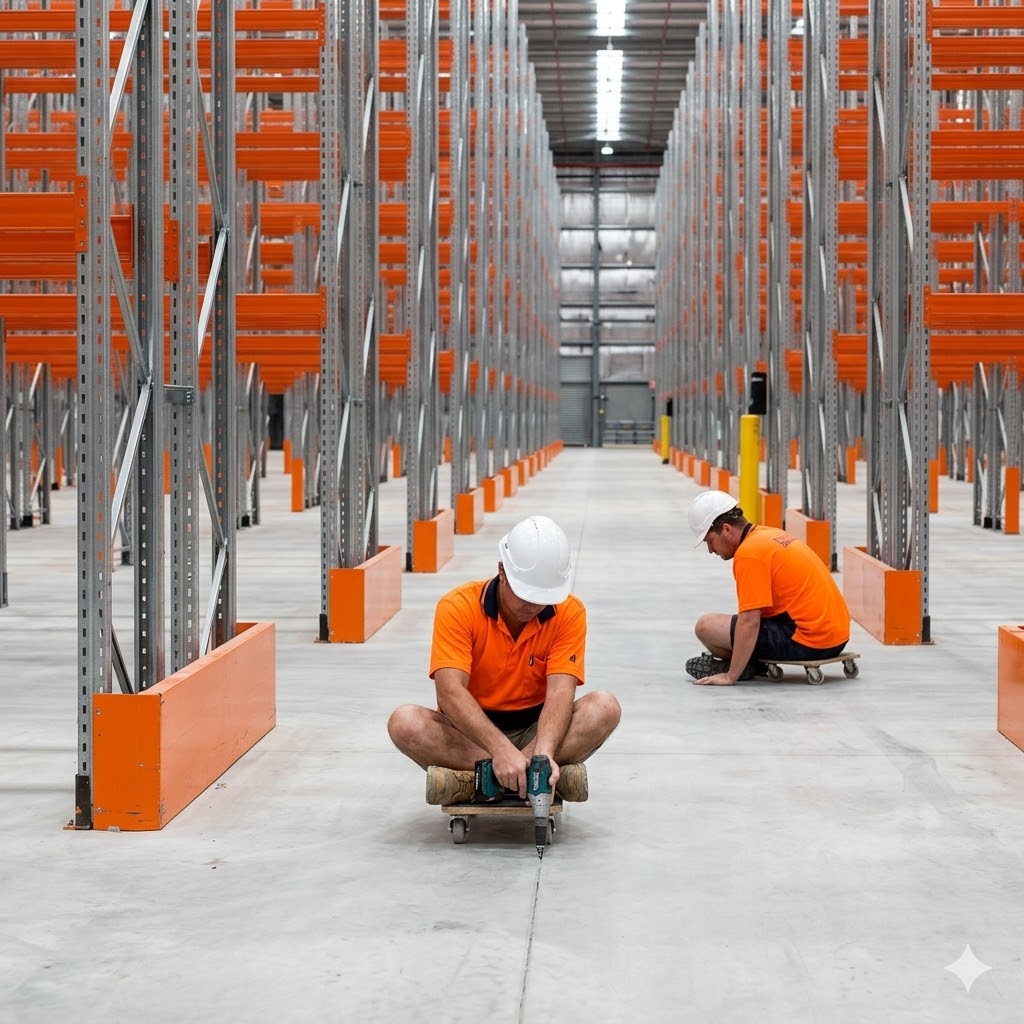
In high-load environments such as warehouses, logistics hubs, and car parks, joint fillers must withstand:
- Forklift and vehicle traffic
- Abrasion and impact
- Edge breakdown of concrete slabs
SealTech’s control joint filling systems are specifically designed to protect slab edges and maintain structural integrity in high-traffic environments.
3. Fast-Curing Sealant Technologies
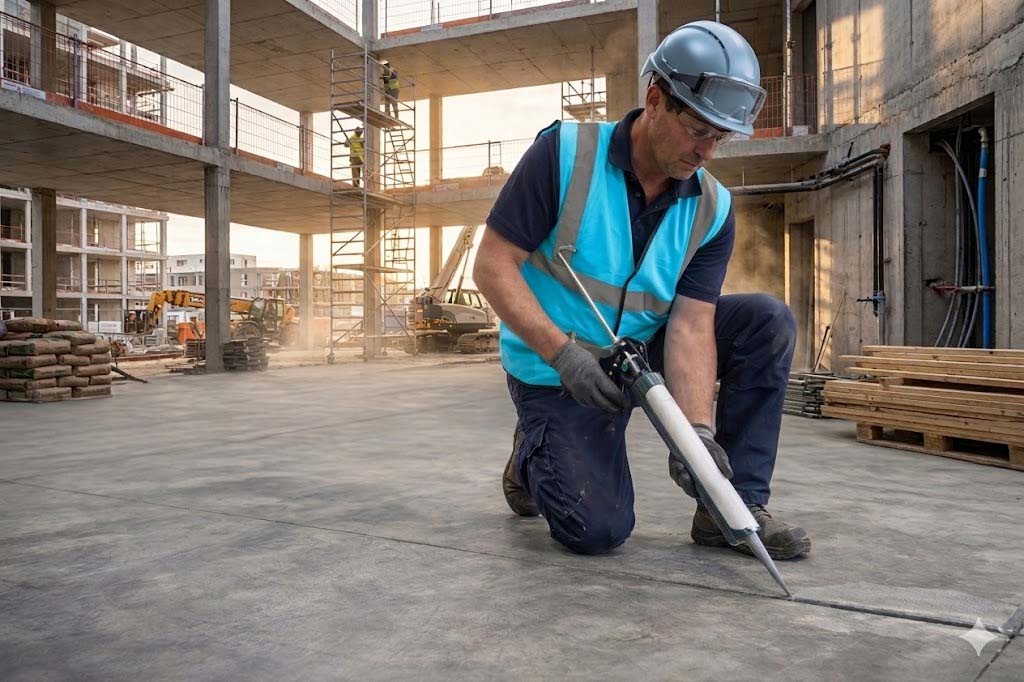
Construction timelines are tighter than ever. Innovative fast-curing sealants now allow:
- Rapid return to service
- Minimal disruption to operations
- Efficient staged project execution
SealTech Industries integrates fast-curing systems where feasible, enabling projects—especially live commercial sites—to resume operations quickly without compromising quality.
Technological Advancements in Application Methods
Material innovation alone is not enough. The real breakthrough lies in precision installation technologies and methodologies.
1. Dust-Controlled Surface Preparation
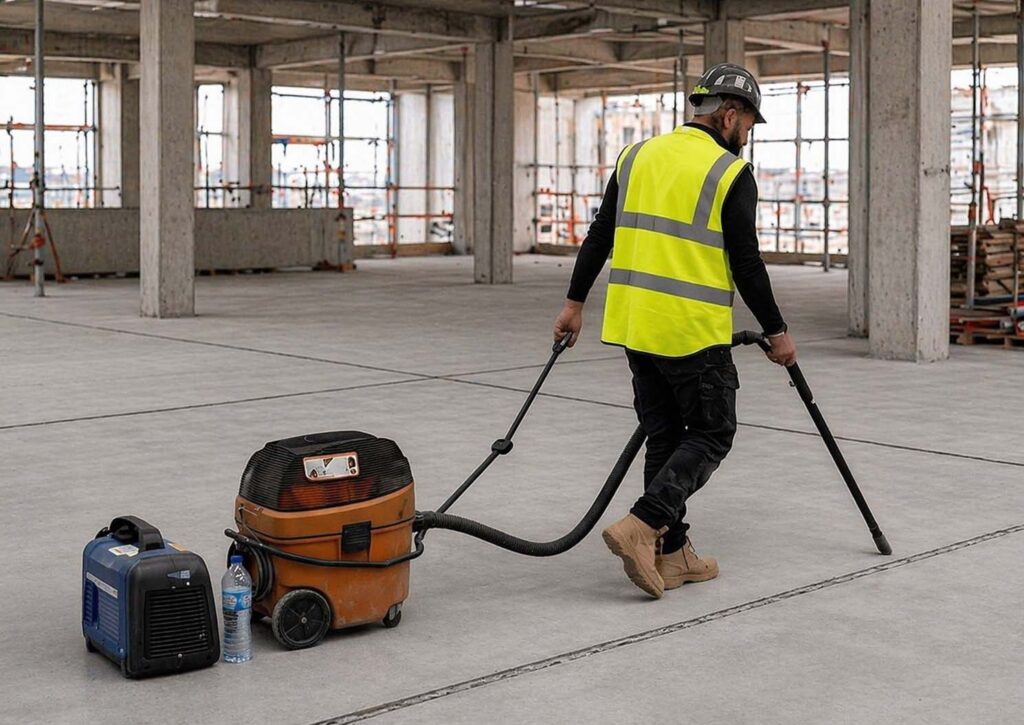
One of the most critical innovations is the use of:
- Vacuum-shrouded cutting equipment
- Dust-controlled grinding systems
This ensures:
- Clean bonding surfaces
- Compliance with safety standards
- Improved sealant adhesion
SealTech Industries uses dust-controlled preparation aligned with WHS silica regulations, ensuring both safety and performance.
2. Specification-Based Installation Systems
Modern joint sealing is guided by:
- Manufacturer technical data sheets
- Project-specific engineering specifications
- Australian Standards compliance
SealTech delivers specification-aligned installations, ensuring that every joint system performs as designed and meets regulatory requirements.
3. Engineered Joint Design Approach
Rather than applying sealant uniformly, modern systems consider:
- Joint width and depth
- Movement capability requirements
- Environmental exposure classification
4. SealTech follows a structured methodology:
- Assessment of joint conditions
- Mechanical preparation
- Installation of backing materials
- Sealant application
- Quality assurance and handover
This engineered approach ensures long-term performance rather than short-term fixes.
Integration with Modern Construction Demands
Innovations in joint sealing now align closely with broader construction trends:
1. Sustainability and Lifecycle Performance
Modern sealants and systems are designed to:
- Reduce maintenance cycles
- Extend asset lifespan
- Minimize material waste
SealTech’s focus on long-term durability and reduced maintenance risk directly supports sustainable construction practices.
2. Multi-Sector Adaptability
Joint sealing systems must now perform across diverse sectors, including:
- Commercial buildings
- Infrastructure projects (bridges, pavements)
- Industrial facilities
- Healthcare and education structures
SealTech Industries operates across all these sectors, delivering tailored solutions for each environment’s unique demands.
3. Compliance and Quality Assurance
With stricter regulations, compliance is now a core innovation driver.
SealTech ensures:
- Alignment with Australian Standards (e.g., AS 1859.1, AS 3600)
- Licensed and regulated operations
- Documentation-backed QA processes
This commitment to compliance ensures reliability and protects both contractors and asset owners.
The SealTech Industries Advantage
What sets SealTech Industries apart is not just the materials or tools—but the integration of innovation, expertise, and process control.
Our capabilities include:
- Commercial-scale joint sealing expertise
- Precision installation in live environments
- Advanced material specification
- Rapid project turnaround
- Compliance-driven workmanship
Our approach each project as a performance system, not just a sealing task—ensuring durability, safety, and long-term value.
Innovations in construction joint sealing materials and technology have transformed the industry into a highly specialized field focused on performance, precision, and longevity. Advanced sealants, engineered installation processes, and compliance-driven methodologies now define best practice.
Companies like SealTech Industries are at the forefront of this evolution—leveraging cutting-edge materials, modern application technologies, and structured workflows to deliver sealing systems that protect and enhance the lifespan of modern infrastructure.
As construction continues to demand higher performance and sustainability, the role of innovative joint sealing solutions will only become more critical—and more advanced.
Related post
Routine Maintenance to Prevent Water Intrusion Through an Expansion Joint on Concrete Slab
Industry Uses and Best Practices of Commercial Caulking & Joint Sealing
SealTech Industries
Expert joint sealing & waterproofing solutions for Southeast Queensland.
Contact Us