
How to Stop Render Cracking Permanently with Expansion Joints
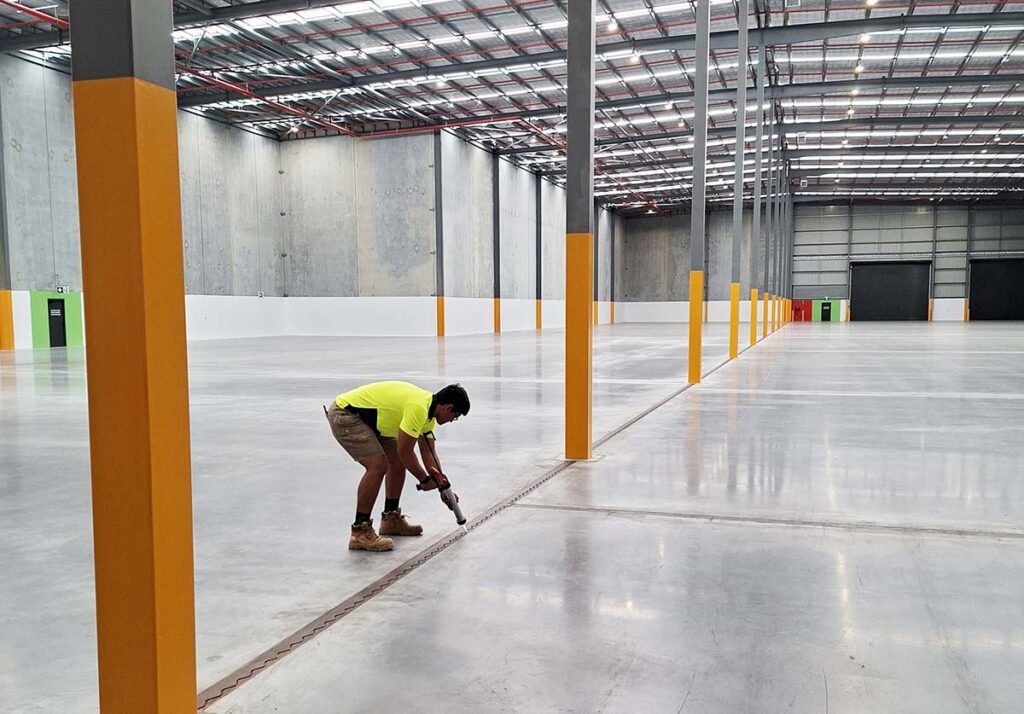
The Definitive Guide to Expansion Joints in Modern Construction
Render cracking is one of the most common—and frustrating—problems for Gold Coast homes and commercial properties. Many property owners keep patching cracks, only to see them come back months later. The reality? The underlying cause hasn’t been fixed.
If you’re looking for a long-term solution instead of repeated repairs, properly installed render expansion joints across Brisbane, Gold Coast, and Southeast Queensland are the key
Why Render Cracks Keep Returning
Rendered surfaces may look solid, but the structure underneath is always moving. On the Gold Coast, this movement is even more pronounced due to heat, humidity, and coastal conditions.
Common causes include:
- Temperature changes – expansion and contraction from heat
- Moisture variation – materials absorbing and drying out
- Structural movement – settling, vibration, and shifting
- Different substrates – such as brick meeting concrete
Without a expansion joint system to accommodate this movement, stress builds up—and your render cracks as a result.
👉 This is why standard concrete crack repairs often fail. They fix the surface, not the cause.
Stop Render Cracking Permanently
Protect your property with expansion joint sealing specialist.
Get a professional assessment today and save thousands in future render crack repairs.
Or call us directly at 0488 885 301
What Are Expansion Joints?
Interior and exterior expansion joints are purpose-built gaps within the render system that allow controlled movement.
Rather than cracking randomly, these joints:
- Break large wall areas into smaller sections
- Allow each section to move independently
- Use flexible sealants or joint systems to absorb stress
Think of them as a built-in protection system for your render and waterproofing.

How Expansion Joints Prevent Render Cracking?
When installed correctly, exterior or interior render expansion joints address the root cause of cracking—movement.
1. Control Structural Movement
They redirect movement into planned joint lines instead of the render surface.
2. Reduce Stress Build-Up
Large expanses of render are prone to failure. Joints divide these into manageable sections.
3. Stop Recurring Cracks
Once movement is controlled, cracks don’t reappear in random areas.
4. Improve Waterproofing Performance
Flexible, sealed joints prevent water ingress—protecting both the render and internal structure.
Placement Guidelines
| Location | Recommended Practice |
|---|---|
| Wall length | Joints every 3–6m depending on render type and climate. |
| Corners | Place within 600mm of all corners. |
| Openings | Around windows, doors, and wall intersections. |
| Large façades | Extra joints if wall exceeds 9m in length. |
Retrofitting Expansion Joints into Existing Render
Already dealing with cracked render? Expansion joints can still be installed as part of a professional repair solution.
Typical process:
- Assess crack patterns and movement zones
- Plan joint placement based on wall size and stress points
- Cut clean control joints into the render
- Prepare and clean joint edges
- Install backing rod where required
- Apply high-quality flexible sealant (e.g. polyurethane)
This converts a failing render surface into a controlled, long-term system.
Where to Install Exterior and Interior Render Expansion Joints?
Correct placement is critical for long-term performance. In Gold Coast waterproofing and rendering projects, expansion joints are typically installed:
- Across large, uninterrupted wall areas
- Over structural movement joints
- Where different substrates meet (e.g. brick to concrete)
- Around windows and doors
- At corners and high-stress zones
Poor placement can lead to ongoing cracking—even if joints are present.
Maintenance Tips
- Annual inspections: Check for wear, gaps, or sealant deterioration.
- Reapply sealant: Most joint sealants last 5–10 years; replace when elasticity reduces.
- Moisture control: Ensure waterproof membranes are intact behind insulation boards.
Common Mistakes to Avoid
Even the best materials won’t perform if installed incorrectly. Watch out for:
- Installing joints too far apart
- Using rigid fillers instead of flexible sealants
- Poor surface preparation leading to adhesion failure
- Ignoring structural movement issues
- Sealing cracks without relieving internal stress
A properly designed waterproofing and joint sealing system is essential.
When Do You Need Expansion Joints?
You should consider expansion joints if you notice:
- Cracks that keep coming back after repairs
- Long, straight or patterned cracking
- Cracks near windows, doors, or corners
- Large rendered wall areas without breaks
- Visible movement or substrate changes
Are Interior and Exterior Render Expansion Joint Installation a Permanent Solution?
When professionally designed and installed, expansion joints provide a long-term—and often permanent—solution to render cracking.
Keep in mind:
- Sealants may require maintenance over time
- Structural movement will still occur—but without damaging the render
The Bottom Line
Render doesn’t fail randomly—it fails because it can’t handle movement. Expansion joints solve this by controlling where and how that movement happens, protecting both your render and waterproofing system. If you’re constantly repairing cracks, the issue isn’t the repair—it’s the lack of a proper movement solution.
Need Expert Gold Coast Exterior Render Expansion Joint Installation Advice?
If you’re dealing with ongoing render cracks, a professional assessment is the first step. An experience and QBCC licensed joint sealing specialist can:
- Identify the true cause of cracking
- Determine if expansion joints are required
- Design a system tailored to your property
Getting it right the first time can save you thousands in ongoing repairs—and finally put an end to recurring cracks. Message us now!
- Our External Joint Sealing Solutions That Cut Maintenance Costs April 21, 2026
- How SealTech Delivers Long-Term Performance in Lateral Joint Sealing Systems? April 21, 2026
- Innovations in Construction Joint Sealing Materials and Technology April 15, 2026
- Routine Maintenance to Prevent Water Intrusion Through an Expansion Joint on Concrete Slab April 10, 2026
- Industry Uses and Best Practices of Commercial Caulking & Joint Sealing April 7, 2026
- Understanding Control Joints in Precast Concrete Walls March 26, 2026
- SealTech Industries: Setting the Standard in Compliance March 12, 2026
- What are Vertical Panel Movement Joints? February 26, 2026
- Commercial Concrete Joint Maintenance: Repair vs Replacement Strategies Explained February 16, 202
SealTech Industries
Expert joint sealing & waterproofing solutions for Southeast Queensland.
Contact Us