
Industry Uses and Best Practices of Commercial Caulking & Joint Sealing
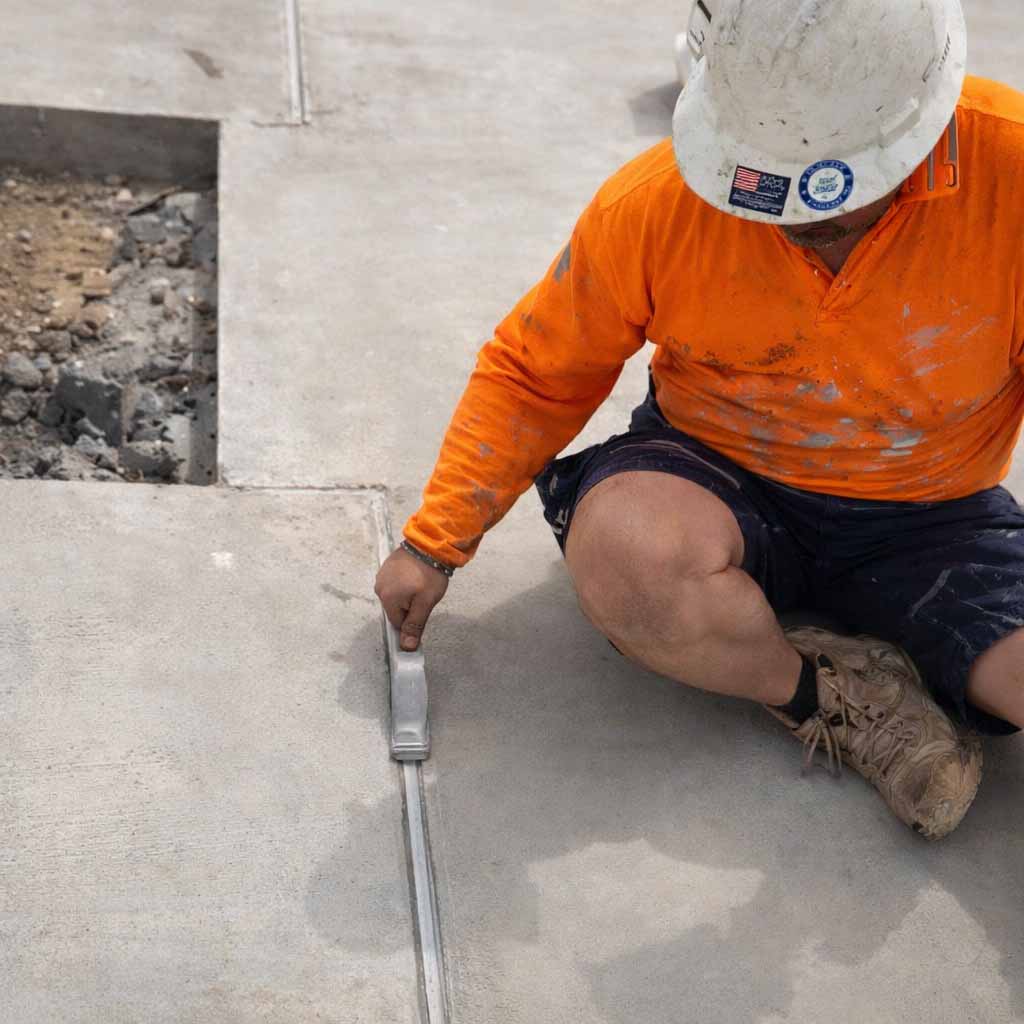
Commercial caulking and joint sealing are essential services in modern construction and building maintenance. These systems protect commercial properties from water ingress, air leakage, structural movement, and fire risks, ensuring long-term durability and compliance.
Whether it’s a high-rise building, shopping centre, warehouse, or office complex, professional joint sealing plays a critical role in maintaining the integrity of the structure.
Why Commercial Caulking & Joint Sealing Matters
Properly installed joint sealants help:
- Prevent costly water damage and leaks
- Improve energy efficiency by reducing air gaps
- Accommodate structural movement
- Ensure compliance with fire and building regulations
- Extend the lifespan of commercial assets
Key Applications of Concrete Joint Caulking
1. Building Facades & External Envelopes (Building envelope waterproofing)
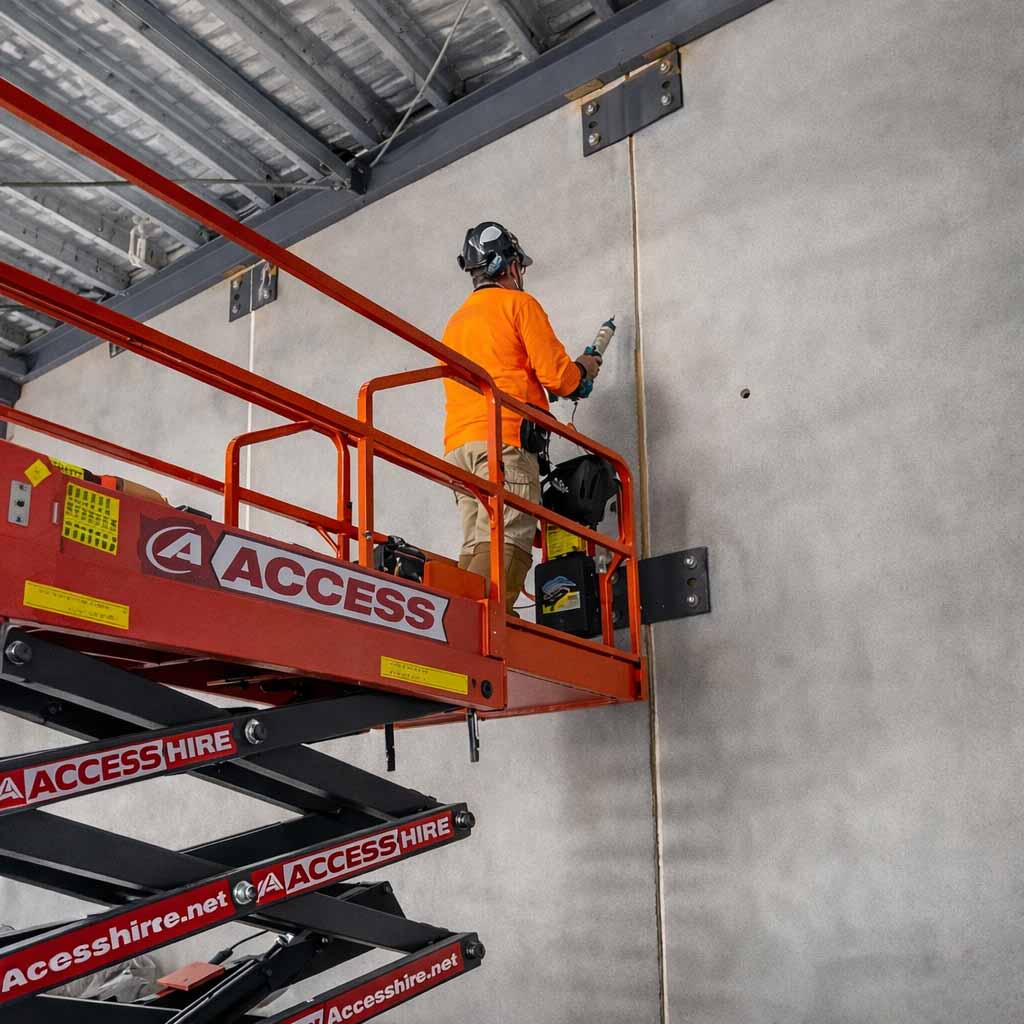
Commercial facades—especially those using concrete, precast panels, or cladding—require durable facade joint sealing to withstand environmental exposure.
Applications include:
- Panel joints and cladding systems
- Curtain walls and façade transitions
- External wall expansion joints (exterior joint sealing)
2. Windows, Doors & Glazing Systems
Commercial windows and doors are high-risk areas for leaks and air infiltration.
Caulking is used for:
- Perimeter sealing of window and door frames sealing
- Structural and non-structural glazing joints
- Sealing aluminum, glass, and concrete interfaces
Need reliable commercial caulking services?
Our experienced team delivers high-quality joint sealing solutions for all types of commercial buildings.
3. Expansion & Movement Joints
All buildings move. Fluctuations in temperature, seismic activity, and natural settling cause concrete, steel, and glass to expand and contract. Joint sealants act as flexible shock absorbers within these intentional gaps (expansion and control joints), accommodating movement without cracking the surrounding structural materials.
Typical applications:
- Concrete expansion joints
- Floor and wall movement joints
- Car parks and basement structures
Flexible sealants ensure joints remain watertight while allowing movement. Contact SealTech for your commercial joint repair
4. Roofing & Penetrations
Roof leaks are one of the most common and costly issues in commercial buildings.
Sealing is applied to:
- Roof flashings and parapets
- HVAC penetrations and vents
- Skylights and service openings
Contact SealTech for commercial roof joint caulking today!
5. Wet Areas & Amenities
High-moisture environments require specialized waterproof sealants.
Common areas:
- Commercial bathrooms and locker rooms
- Restaurant kitchens and food preparation areas
- Tiled joints and sanitary fixtures
Sealants in these areas must resist mold, moisture, and cleaning chemicals. For commercial kitchen joint sealing visit our contact page.
6. Fire-Rated Joint Sealing (Firestopping)
Fire-rated sealants are critical for maintaining building safety and compliance.
Applications include:
- Service penetrations (pipes, cables, ducts)
- Fire-rated walls and floors
- Compartmentalized building sections
7. Interior Finishes & Acoustic Sealing
Joint caulking also improves interior performance and aesthetics.
Used of interior caulking:
- Partition walls and ceilings
- Skirting boards and trims
- Acoustic sealing in offices and meeting rooms
For interior caulking services, visit our sister website: superiorwaterproofing
8. Industrial & High-Traffic Areas
Industrial environments demand heavy-duty sealants that can withstand stress and chemicals.
Applications include:
- Warehouses and factories
- Loading docks and service bays
- High-traffic commercial floors
For your industrial joint sealing and warehouse caulking need, contact us here.
Choosing the Right Commercial Caulking Contractor
Not all Brisbane and Gold Coast caulking services are equal. A licensed commercial caulking contractors ensures:
- Correct sealant selection for each application
- Proper surface preparation and removal of old sealants
- Clean, precise application
- Long-lasting performance and compliance
Best Practices for Concrete Joint Caulking Application
Even the highest-quality commercial sealant will fail if it is not applied correctly. Following industry best practices ensures a watertight, long-lasting seal.
1. Rigorous Surface Preparation
The most common cause of sealant failure is poor adhesion due to improper surface preparation.
- Cleanliness: The joint must be entirely free of dust, dirt, oil, moisture, and remnants of old sealant. Grinding, wire brushing, or solvent wiping is often necessary.
- Priming: Depending on the substrate (e.g., porous concrete vs. smooth metal) and the type of sealant being used, a primer may be required to ensure a strong chemical bond.
2. Selecting the Right Sealant
There is no universal sealant. The choice of material must be dictated by the specific application:
- Polyurethanes: Excellent for high-traffic horizontal joints and porous materials like brick and concrete due to their durability and abrasion resistance.
- Silicones: Ideal for glass, metal, and exterior facades because of their exceptional UV resistance and extreme flexibility.
- Hybrid Sealants: Combine the best traits of silicones and polyurethanes, offering great adhesion and paintability.
3. Proper Joint Design and Backer Rods
A joint must have the correct width-to-depth ratio (typically 2:1 for most sealants) to allow the material to stretch and compress properly.
- Backer Rods: These closed-cell foam cylinders are pushed into the joint before the sealant is applied. They control the depth of the sealant, provide a firm backing for tooling, and prevent “three-sided adhesion” (which causes the sealant to tear when the building moves).
4. Professional Tooling
Tooling is the process of smoothing the sealant immediately after it is gunned into the joint. This does more than make it look visually appealing—it forces the material against the sides of the joint to maximize adhesion and creates a slightly concave shape that prevents water from pooling on top of the seal.
5. Routine Inspection and Maintenance
Concrete joint caulking is not a “set it and forget it” solution. Environmental factors eventually degrade all sealants. Facility managers should conduct visual inspections annually, paying close attention to the south-facing sides of buildings (which receive the most UV exposure) and areas with high water runoff. Catching a failing joint early prevents compounding structural damage.
Why Builders & Specifiers Choose SealTech
SealTech is a trusted partner for Brisbane, Ipswich and Gold Coast commercial caulking projects, delivering compliant, site-ready solutions backed by real commercial experience. We work seamlessly with builders, project managers, and consultants to keep projects moving and fully certified.
- Code-Compliant Systems – All work aligns with Australian Standards (AS 3740, AS 4654) and manufacturer specifications, ensuring approvals and long-term performance.
- Site-Ready Execution – Reliable scheduling, clear documentation, and efficient on-site coordination to minimise delays and rework.
- Proven Commercial Experience – From multi-residential builds to large-scale developments, we understand complex scopes, staging, and QA requirements.
With SealTech, you get a joint sealing specialist that speaks your language and delivers results you can build on.
Conclusion
Commercial caulking and joint sealing are critical to maintaining a building’s performance, safety, and longevity. From façade protection to fire compliance and waterproofing, these applications are essential across all commercial structures.
Investing in professional joint sealing services helps prevent costly repairs, improves efficiency, and protects your property for years to come.
Related topics:
- Understanding Control Joints in Precast Concrete Walls
- SealTech Industries: Setting the Standard in Compliance
- What are Vertical Panel Movement Joints?
- Commercial Concrete Joint Maintenance: Repair vs Replacement Strategies Explained
- DIY vs. Professional Driveway Sealing in Logan: What’s Really Worth It?
- Why Hiring a Joint Sealing Contractor in Logan Is Essential for Long-Lasting Structures
- Commercial caulking services