
How Professional Contractors Approach Filling Gap Between Concrete Slab and Wall
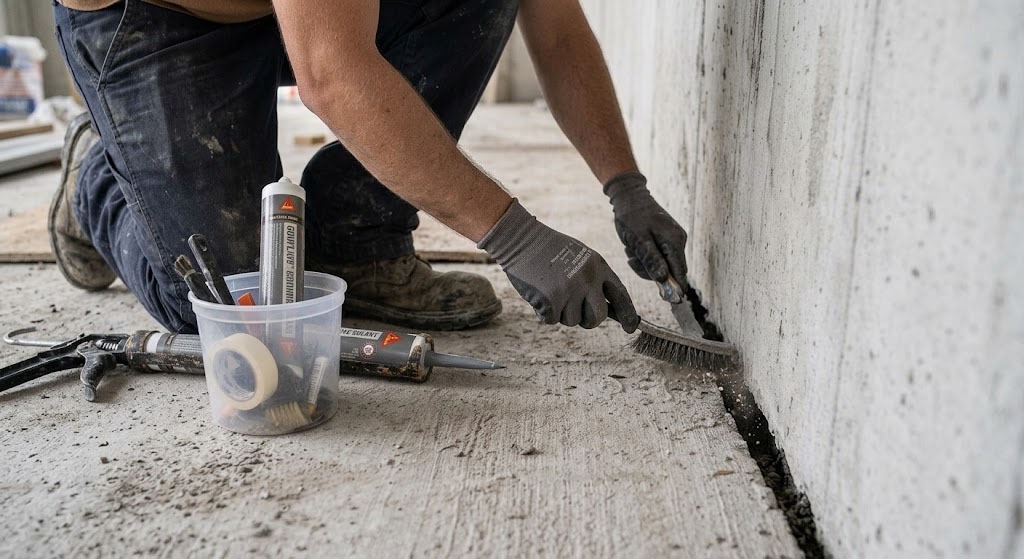
A visible gap between a concrete slab and wall can look minor, but if it is left untreated, it can allow water, dirt, pests, and contaminants to enter the joint. In warehouses, commercial buildings, industrial facilities, car parks, loading areas, and other concrete structures across Brisbane, Gold Coast, and Logan, these gaps can also become wider as the slab moves, expands, contracts, or settles.
Across South East Queensland, changing soil conditions, heavy rainfall and temperature swings can cause concrete slabs to move, settle and expand. If the perimeter joint is left open or poorly sealed, the problem can quickly become more serious.
- Water Ingress & Sub-Base Erosion: During heavy rain, water can run directly into the gap between the slab and wall. Over time, this may wash out or soften the supporting material beneath the slab, contributing to settlement, slab movement and moisture problems.
- Concrete Cracking & Spalling: Concrete naturally expands and contracts with temperature changes. Without a properly designed movement joint, the slab can place pressure against adjoining walls or structures, leading to cracked edges, spalling and stress fractures.
- Pest Entry: Open perimeter gaps can also provide an easy pathway for ants, termites and other pests to move from surrounding soil into building cavities.
- Short-Lived DIY Repairs: Filling the gap with rigid mortar or standard household silicone rarely provides a lasting result. Mortar cannot accommodate movement, while general-purpose silicone may pull away, split or lose adhesion when the joint expands and contracts.
The Professional Solution: Filling the Gap Between a Concrete Slab and Wall
Professional concrete joint sealing and commercial caulking contractors use a proven process to create a flexible, durable seal between concrete slabs and adjoining walls.
- Mechanical Surface PreparationThe slab-to-wall joint is first cleaned and prepared to remove laitance, dust, old sealant, contaminants and loose concrete. Where required, joint sealing contractors may mechanically grind or cut the joint edges to create a clean, sound surface for the new sealant to bond to.Dust-controlled equipment and industrial vacuum extraction are used during grinding to help maintain a cleaner work area and achieve a properly prepared bonding surface.
- Correct Joint Depth and Backer Rod InstallationOnce the joint is prepared, a closed-cell polyethylene backer rod is installed at the correct depth.The backer rod helps control the depth and shape of the sealant while also preventing three-sided adhesion. This is important because a flexible joint sealant should generally bond to the two opposing sides of the joint, allowing it to stretch and compress as the slab moves.
The backer rod helps:
- Control sealant depth
- Create the correct joint profile
- Reduce unnecessary sealant consumption
- Prevent three-sided adhesion
- Allow the joint sealant to stretch and compress properly
Correct joint geometry is particularly important where the gap is subject to regular movement.
- Professional-Grade Flexible SealantsThe correct sealant is selected based on the location and performance requirements of the joint. Depending on the application, this may include polyurethane joint sealants, low-modulus silicone or specialist polyurea systems.Factors such as UV exposure, foot or vehicle traffic, joint movement, chemical exposure and surrounding substrates all need to be considered before choosing the right product.
- Controlled Application and ToolingThe sealant is applied evenly throughout the joint to minimise air pockets and voids. The surface is then professionally tooled to achieve good contact with the joint edges and create a neat, consistent finish.When completed correctly, the finished joint provides a flexible barrier that helps resist water ingress while accommodating normal concrete movement.
- Finishing and Inspecting the Joint
Once the joint has been filled, the surface is tooled to create a consistent finish and proper contact with the concrete joint faces.
The completed joint is then inspected for:
- Continuous adhesion
- Correct sealant depth
- Voids or air pockets
- Surface defects
- Incomplete sections
- Proper joint profile
This helps ensure the concrete wall and slab joint performs effectively over time.
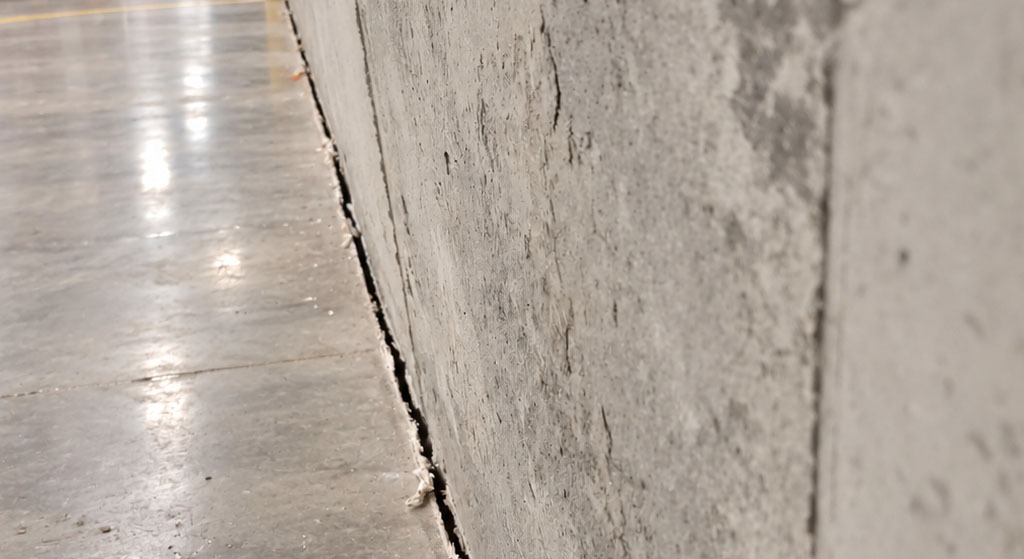
Benefits of Professional Concrete Joint Sealing
Professionally sealing the gap between a concrete slab and wall can provide long-term protection for residential, commercial and industrial properties throughout South East Queensland.
- Improved Waterproofing: Helps prevent rainwater and surface moisture from entering slab perimeter joints, basements, car parks and other vulnerable areas.
- Allows for Concrete Movement: Flexible joint sealants can accommodate normal expansion and contraction caused by temperature changes and building movement.
- Protects Concrete Edges: Correct joint sealing can reduce the likelihood of water-related deterioration, cracking and spalling around slab edges.
- Cleaner, More Hygienic Areas: Closing open joints helps prevent dirt, moisture and pests from collecting in difficult-to-clean gaps.
- Longer-Lasting Repairs: Proper surface preparation, backer rod installation and professional-grade sealants provide a far more durable solution than filling the gap with mortar or general-purpose silicone.
- Reduced Water Ingress: Properly sealed slab-to-wall joints help reduce water entering through gaps around floors, walls, hardstands, warehouses, and other concrete areas.
- Cleaner Industrial and Commercial Areas: Sealed joints reduce the accumulation of dirt, debris, moisture, and contaminants inside open concrete gaps.
Need to Seal a Gap Between Your Concrete Slab and Wall?
If you have an open or failing joint between a concrete slab and adjoining wall, it is worth addressing the issue before water ingress or ongoing movement causes further damage.
SealTech Industries provides professional concrete joint sealing, commercial caulking and waterproofing solutions throughout Brisbane, Gold Coast, Logan and surrounding South East Queensland areas.
Our team can assess the joint, prepare the surfaces correctly and recommend a sealing system suited to the movement and exposure conditions of your property.
Related posts:
- How to Prepare Concrete Before Applying a Polyurethane Expansion Joint September 22, 2026
- How Professional Contractors Approach Filling Gap Between Concrete Slab and Wall September 7, 2026
- What to Expect from Maudsland’s Emergency Expansion Joint Replacement Services August 29, 2026
- Why SealTech Industries’ Expansion Joint Maintenance System Is the Right Choice for Your Business August 21, 2026
- Strata Manager’s Guide to Expansion Joint Replacement in Parkwood Apartment Complexes August 20, 2026
- How Precision Caulking for Industrial Facilities Prevents Costly Water Ingress August 18, 2026
- Why Ipswich Asset Managers Trust SealTech as Their Joint Sealing Contractor July 24, 2026
- Best Practices for Designing a Concrete Joint Waterproofing System July 22, 2026
- The Engineer’s Guide to Expansion Joint Waterproofing for Long-Term Structural Protection July 16, 2026
- Why You Must Calculate Movement Capability Before Sealing Industrial Concrete July 9, 2026
SealTech Industries
Expert joint sealing & waterproofing solutions for Southeast Queensland.
Contact Us