How to Properly Seal a Vertical Construction Joint in Concrete Wall to Prevent Water Leakage?
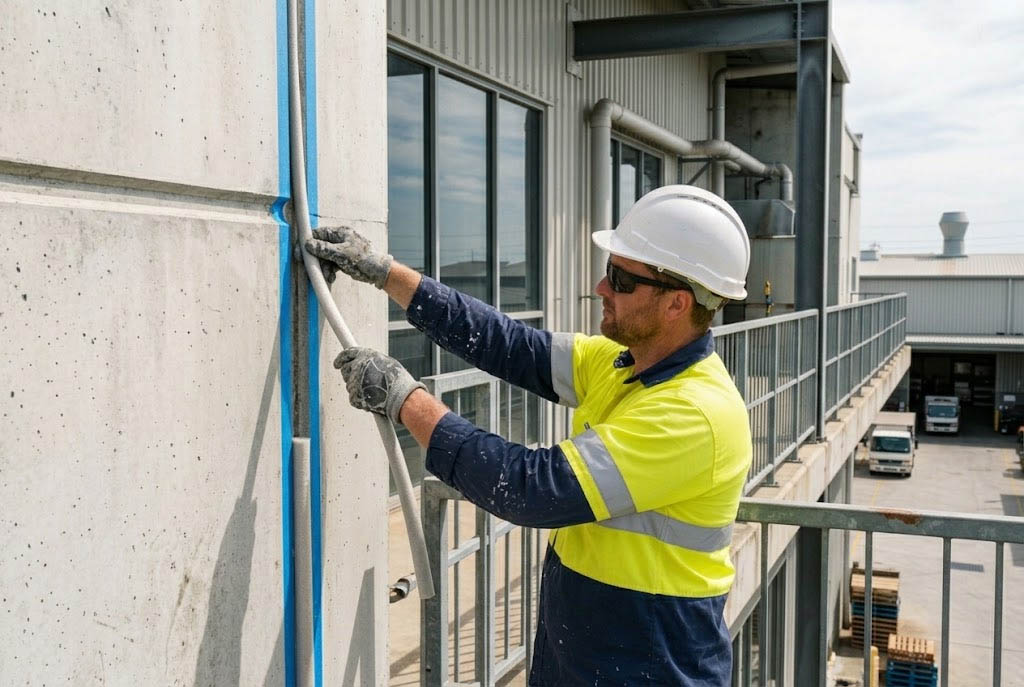
A vertical construction joint in concrete wall is commonly found in commercial buildings, industrial facilities, retaining walls, basements, and other concrete structures. These joints form where separate concrete pours meet, allowing construction to proceed in stages. However, poorly sealed joints can become pathways for water penetration, potentially causing dampness, concrete deterioration, and damage to surrounding […]
How to Properly Install, Repair or Replace Concrete Expansion Joint Filler in High-Traffic Slabs
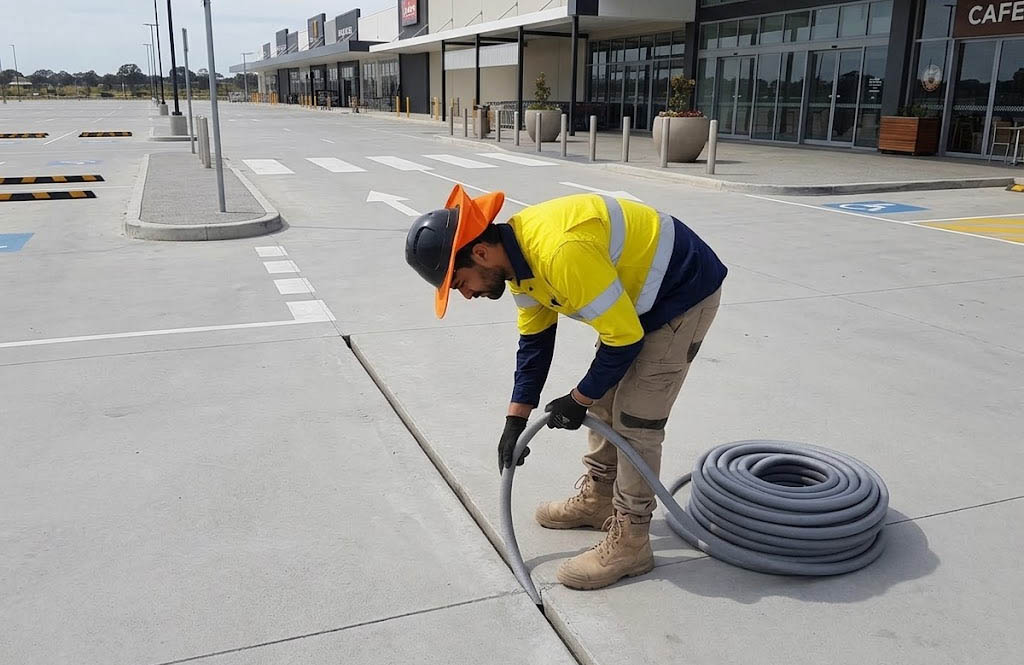
“Surface Prep, Material Selection, and Application Techniques That Prevent Premature Failure” Joints are usually the first part of a slab to fail, whether it’s a warehouse floor, a loading dock or a residential driveway. This guide covers concrete expansion joint filler installation, repair and replacement using semi-rigid polyurethane or polyurea products. Whether handling industrial […]
How to Waterproof a Concrete Expansion Joint Against House: A Step-by-Step Guide
The gap where a concrete slab meets your home’s wall is one of the easiest places for rainwater to get in. When the sealant in that joint cracks, shrinks or peels away, water can run beneath driveways, patios and paths, and over time it can lead to dampness, washed-out soil and damaged concrete. In Brisbane, […]
Concrete Joint Waterproofing vs. Sealing: How to Choose the Right System
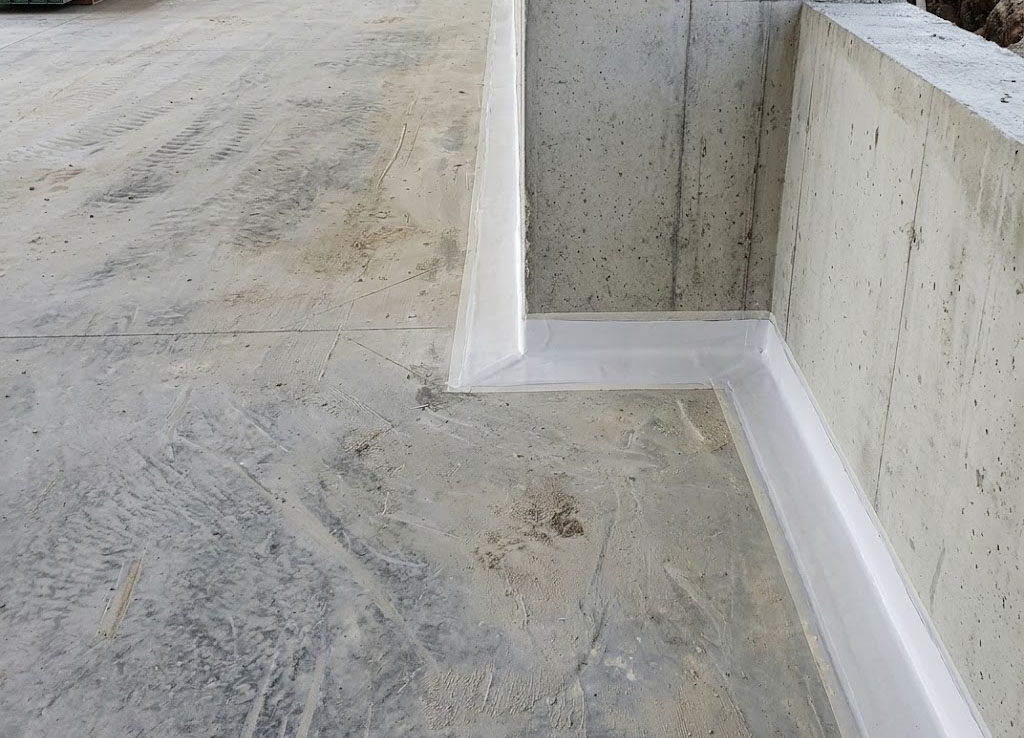
Concrete naturally expands, contracts and moves over time. Engineered joints allow for this movement, help manage structural stresses and make staged concrete pours possible. However, every joint also creates a potential weak point where water can enter the structure. If a joint isn’t detailed or protected correctly, water ingress can lead to leaks, deterioration, sub-base […]
How to Prepare Concrete Before Applying a Polyurethane Expansion Joint
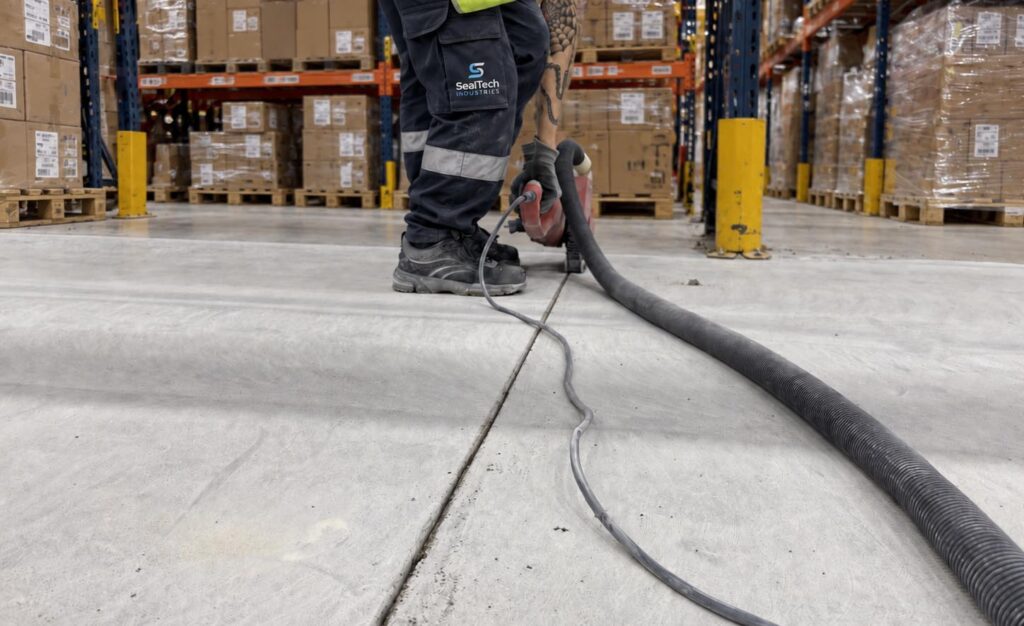
Poor concrete preparation is one of the most common reasons a polyurethane expansion joint fails earlier than expected. Even a high-quality polyurethane sealant will struggle to perform if the joint hasn’t been properly cleaned, dried, profiled and prepared before application. Dust, moisture, oils, old sealant and weak concrete can all interfere with adhesion. Over time, […]
How Precision Caulking for Industrial Facilities Prevents Costly Water Ingress
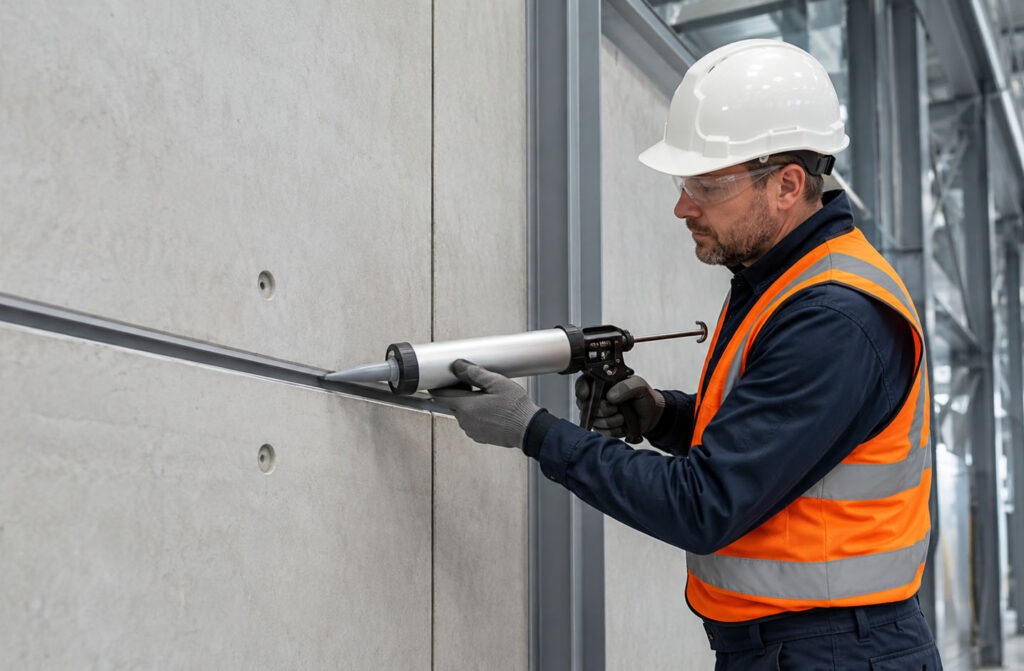
In busy industrial facilities and warehouses, keeping the building properly sealed is essential. Heavy machinery, temperature changes, building movement and harsh weather can all place ongoing stress on joints and seals. When those seals begin to fail, even small amounts of water ingress can gradually cause serious damage. Professional precision caulking for industrial facilities helps […]
How SealTech’s Silicone Waterproofing Meets Strict Building Codes
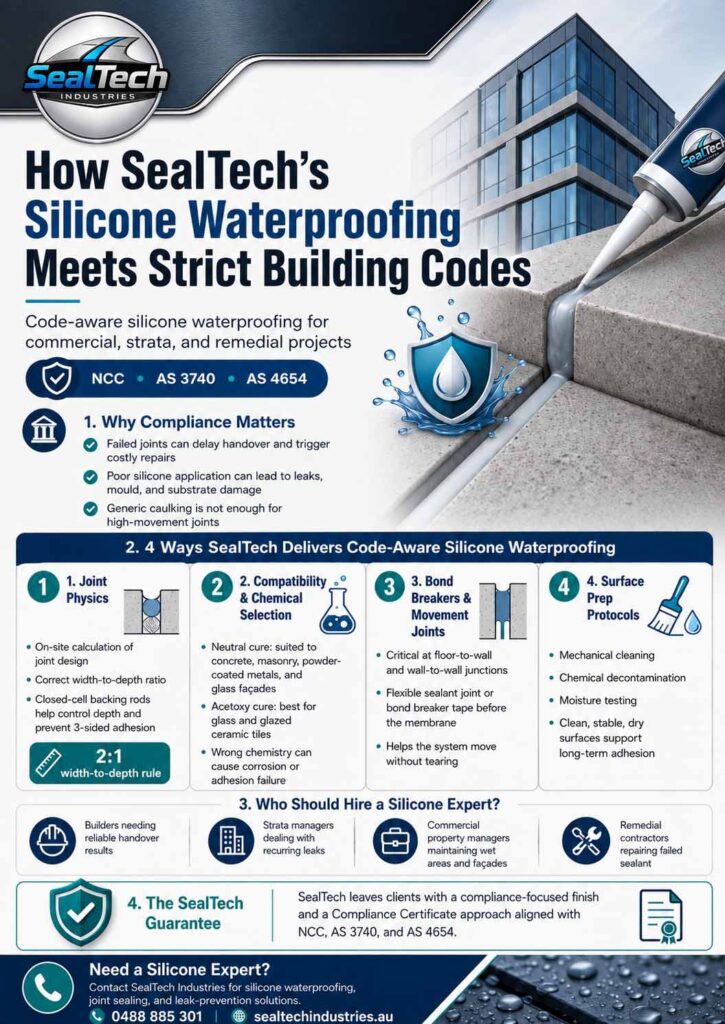
When a commercial or high-density strata project faces inspection, one failed joint can delay handover, affect insurance, and lead to costly joint repairs. Joint sealing is not just a finishing detail. It is a key waterproofing barrier that must meet strict compliance standards. Generic caulking will not perform in high-movement expansion joints. Why Building-Code Compliance […]
How to Choose the Right Strata Caulking Contractors for High-Rise Facades
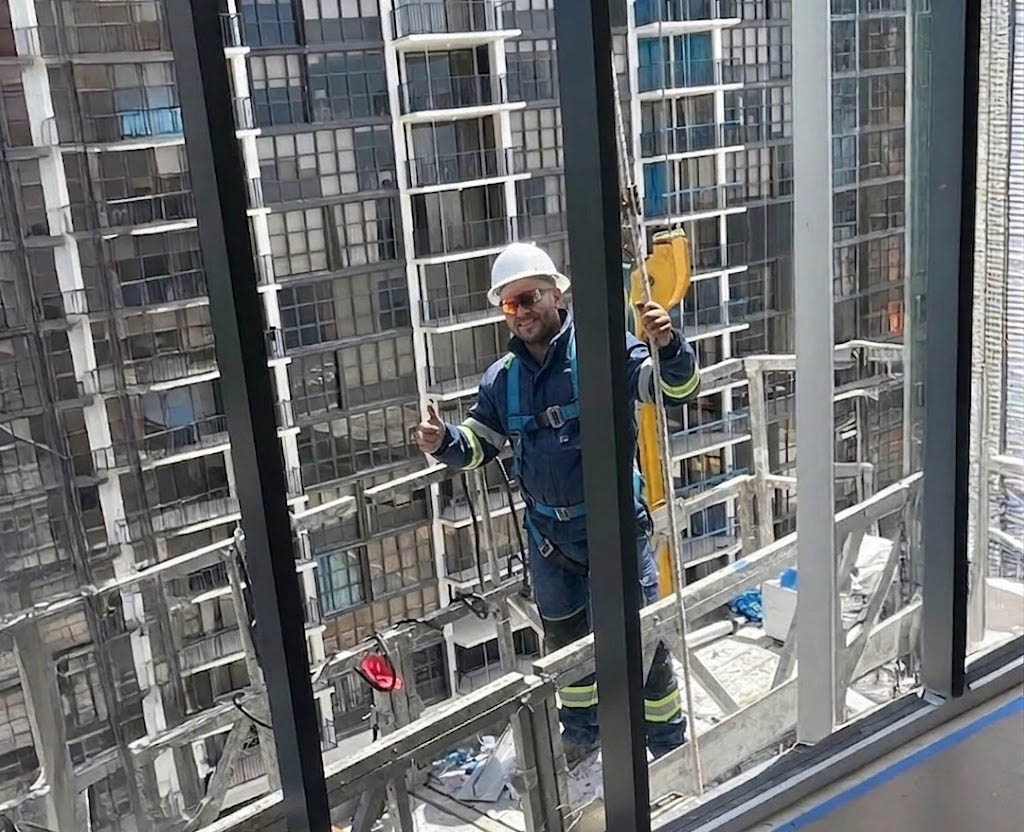
Maintaining a high-rise building comes with serious responsibility. One of the most important jobs is protecting the exterior envelope from water ingress, mould, concrete deterioration, and costly internal damage. When a seal fails 20 storeys up, even a small gap around a window, expansion joint, balcony edge, or facade panel can quickly become a major […]
How to Choose Sealants for Expansion Joint Maintenance – Comparing Silicone, Polysulfide, and Hybrid Options
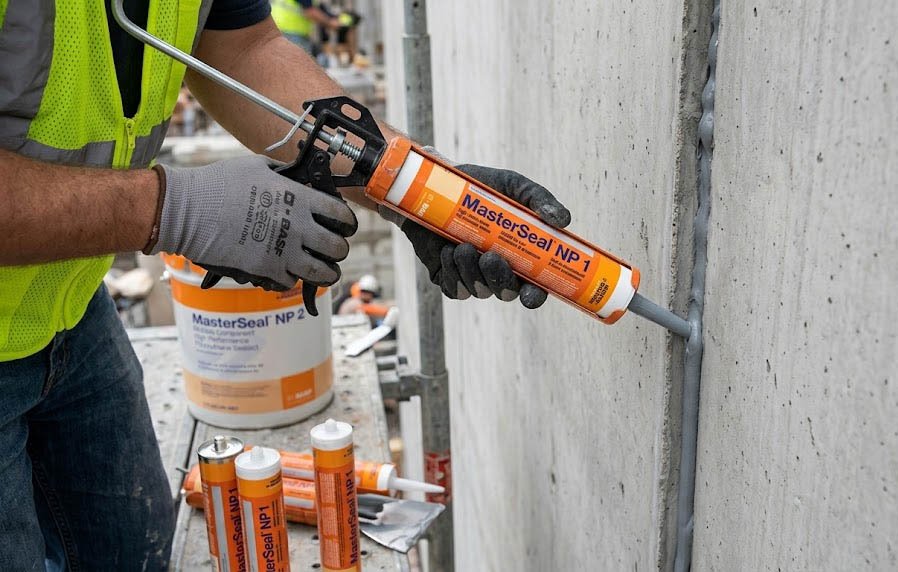
Expansion joints are critical components in concrete and masonry structures, allowing for controlled movement caused by temperature fluctuations, seismic activity, or structural loads. To ensure durability and performance, selecting the right sealant for expansion joint maintenance is essential. Among the most widely used options are silicone, polysulfide, and hybrid formulations. Each has distinct properties, advantages, […]
How to Fix Cracks in a Concrete Driveway?
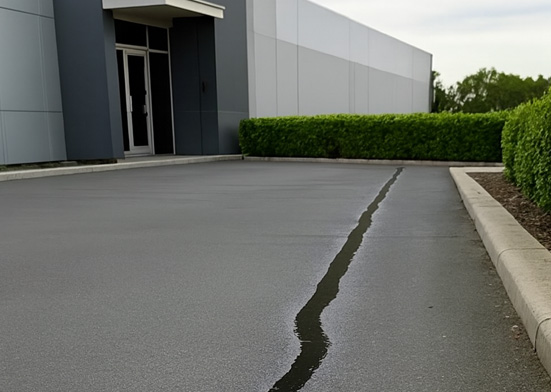
How to Fix Cracks in a Concrete Driveway? Concrete driveways are designed to be durable, but the Gold Coast climate — with its strong sun, heavy rain, and shifting ground — can cause cracks to form over time. What starts as a small line can quickly turn into a wider split that weakens your driveway […]