
SEALTECH INDUSTRIES

Professional Remedial Joint Sealing

Stop leaks and structural decay with our expert remedial concrete joint sealing. We specialize in removing failed sealants and installing high-performance, durable solutions for expansion joints and cracks. Protect your asset from water ingress with our professional, long-lasting repairs tailored for commercial and civil projects.

Service Area: South-East Queensland and Northern NSW
(Brisbane, Gold Coast, Ipswich, Moreton Bay,
Redland City and surrounding regions)

Restore & Protect: Remedial concrete Joint Sealing

Remedial joint sealing is essential for restoring the integrity of structures where existing sealants have failed, deteriorated, or allowed water ingress. Our experienced remedial caulking contractors assess each joint condition, remove defective materials, and prepare surfaces to ensure optimal adhesion.

We specialise in remedial floor joint caulking for areas exposed to heavy traffic, movement, and moisture, such as car parks, warehouses, and basements. Using high-performance sealants, we ensure joints can accommodate expansion and contraction while maintaining a watertight seal. 

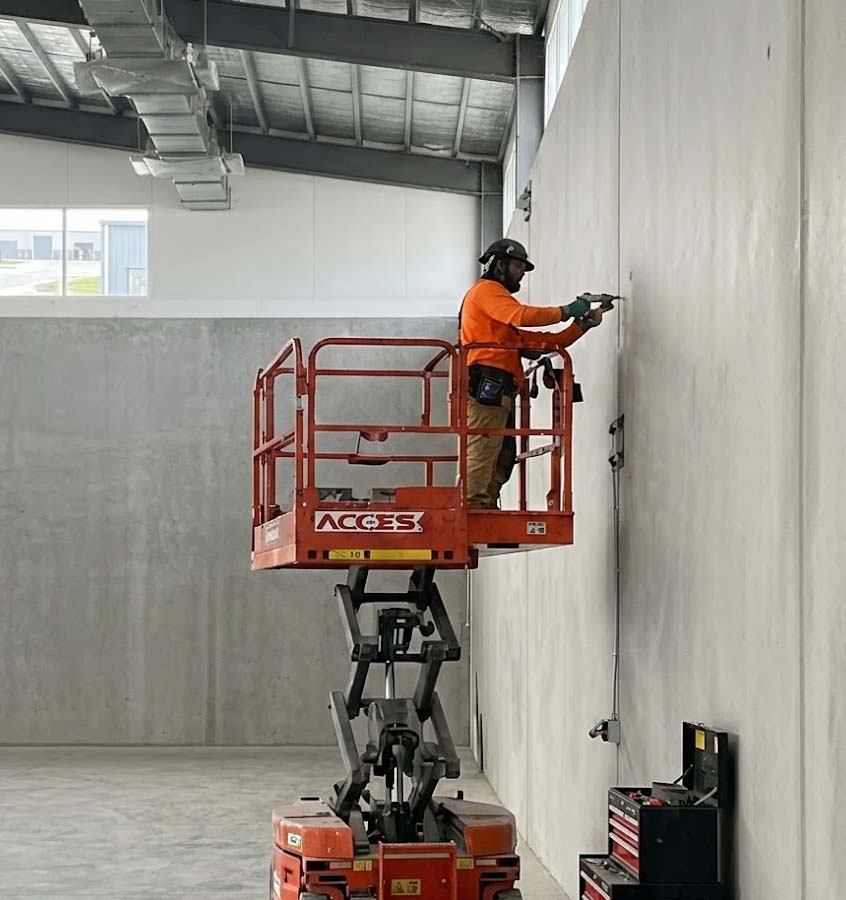
Our remedial wall joint caulking services address vertical joints in facades, retaining walls, and building envelopes where sealant failure can lead to internal water damage and structural issues. By applying durable, weather-resistant materials, we restore joint performance and improve overall building protection. 

Why Commercial Clients Choose SealTech Industries?

Commercial-Scale Expertise

Specialising in commercial, industrial, and civil applications, our remedial concrete joint caulking systems are built for durability under high-load traffic, including forklifts, pallet movers, and frequent heavy vehicle operations.

Standards & Specification Compliance

Every installation we perform adheres to current Australian Standards, project-specific IFC documentation, and all manufacturer technical data sheets. This disciplined approach guarantees that our remedial floor joint sealing systems perform exactly as engineered.

Industrial-Grade Materials

We specify semi-rigid polyurea and polyurethane joint fillers (typically Shore A 80–95 hardness range) engineered for load-support applications in Class 1–4 industrial floors.
Dust-Controlled Surface Preparation

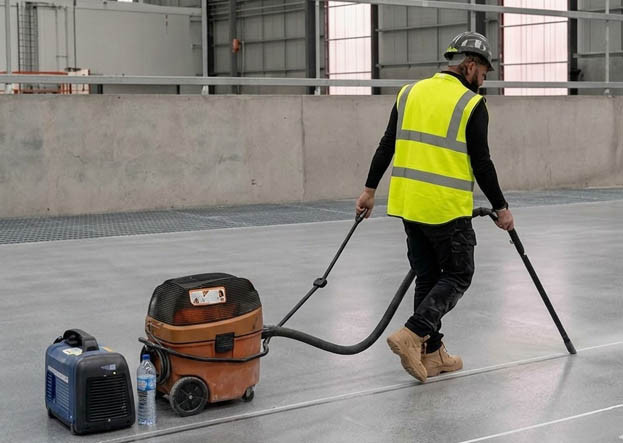
We execute remedial wall joint caulking with a focus on safety and precision, using diamond-grinding equipment and vacuum shrouds. Our high-efficiency dust extraction systems guarantee that all works remain fully compliant with Queensland WHS silica regulations, protecting your commercial or industrial assets from silica exposure.

The Technical Execution: Our 4-Step Process

To ensure long-term performance in Queensland’s climate and operating conditions, our commercial remedial joint sealing follows a disciplined workflow.

Step 1: remedial Joint sealing Preparation & Cleaning

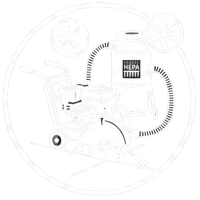
Preparation is the foundation of every successful remedial project. We guarantee superior bond strength by using specialized joint-cleaning saws and diamond grinding tools to clear laitance and weak concrete from the entire depth of the cut. By integrating HEPA-filtered dust extraction, we ensure a clean, bond-ready surface while maintaining a silica-safe work environment.
Step 2: Depth Assessment

Remedial control joint sealing involves the removal of damaged joint materials and reinstallation to the full saw-cut depth (commonly 25–40mm) to reinstate edge support under traffic loads. As these joints function for crack induction, backer rod is typically unnecessary.

All installation depths are verified against project specifications and structural design criteria.

Step 3: Precision Material Installation

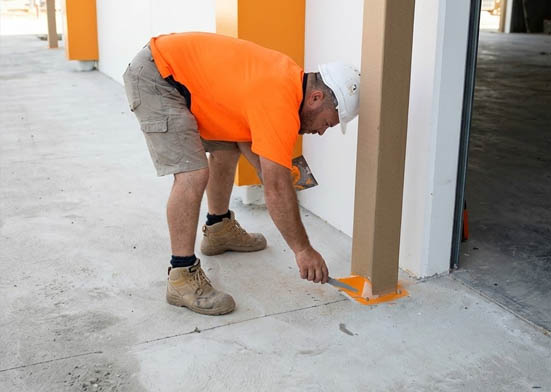
Joint sealing works are completed using calibrated dual‑component pumps or approved dispensing equipment. Semi‑rigid polyurea or polyurethane fillers are applied at the manufacturer’s exact mix ratio, delivering the hardness and durability rating necessary for compliant, high‑performance sealing in commercial and civil environments.

Step 4: Flush Shaving & Finishing

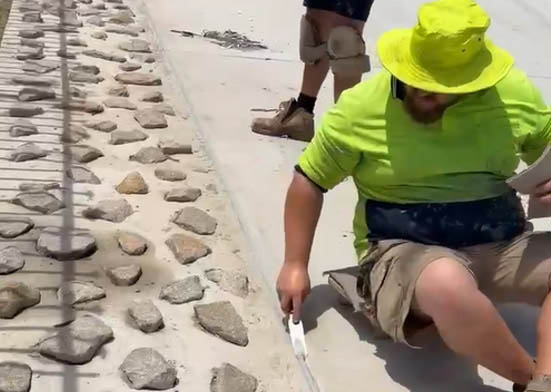
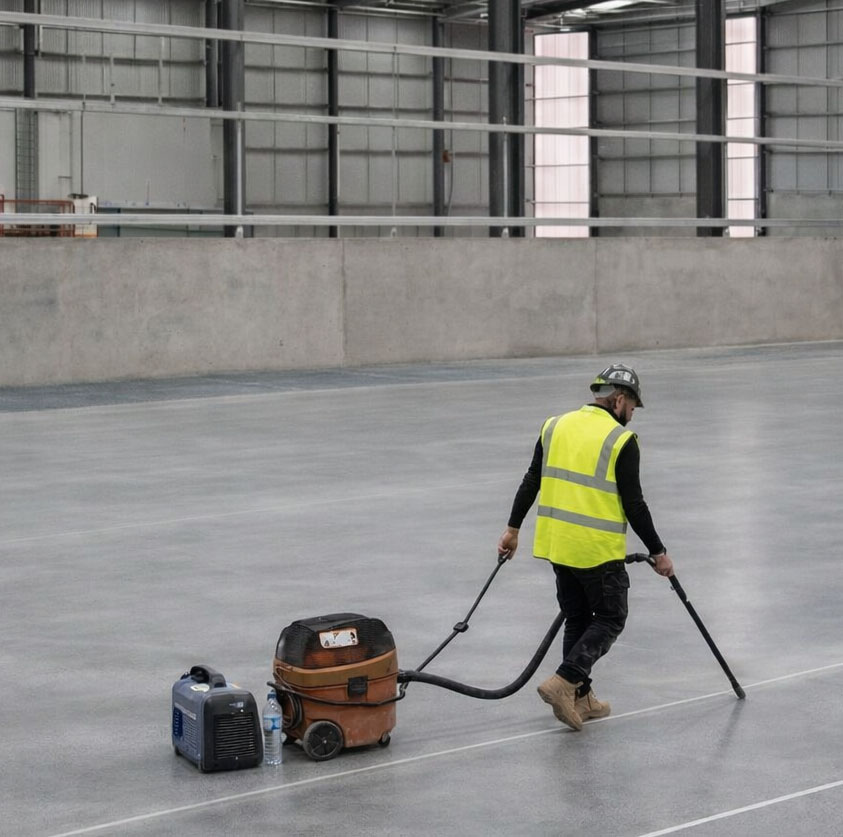
To ensure a seamless surface, we allow for a controlled initial cure before removing excess material with specialized floor-shaving razors. This process ensures the joint filler sits exactly flush with the concrete slab edges, removing the vertical lips that lead to joint spalling. By creating a smooth transition for wheeled traffic, we significantly reduce long-term maintenance costs and provide a clean, industrial-grade finish.

Pavement Crack & Joint Sealing

INDUSTRIES WE SERVICE

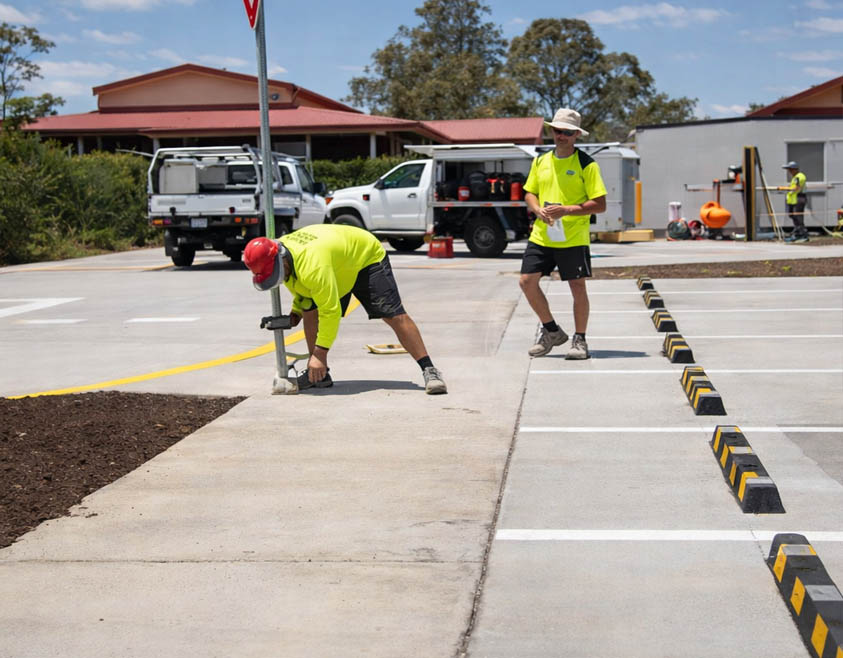
We specialise in high-performance remedial floor joint sealing—revitalising damaged or failing joints in commercial, industrial, and infrastructure settings.

Commercial & Retail

Commercial office developments
Retail centres and shopping complexes
Retail distribution spaces

Industrial & Logistics

Industrial warehouses
Distribution centres
Logistics and freight facilities
Manufacturing facilities
Commercial workshops

Public & Institutional

Hospitals and healthcare facilities
Educational institutions
Government and public infrastructure

Parking & Hardstand Infrastructure

Basement and multi-level car parks
Fuel forecourts and hardstand areas
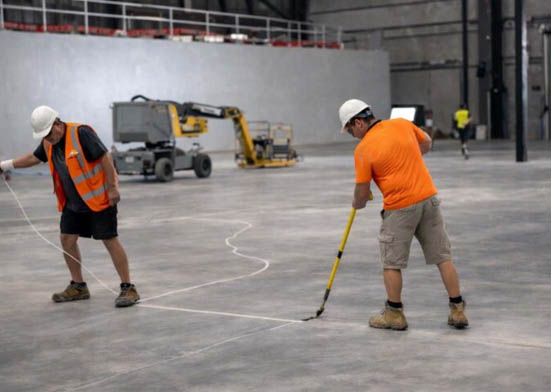
Case Study: Restoring a Failing Warehouse Floor with Remedial Joint Sealing

Background

A large distribution warehouse in Southeast Queensland was experiencing severe joint failure across its concrete floor. Heavy forklift traffic, chemical exposure, and years of wear had caused the original seals to deteriorate. Water ingress was beginning to penetrate the slab, threatening reinforcement and creating safety hazards.

The Problem

  • Cracked and open joints allowed water and debris to enter.
  • Surface spalling created uneven flooring, unsafe for machinery.
  • Moisture ingress risked corrosion of steel reinforcement.
  • Operational disruption loomed, as repairs would require downtime.

The Solution: Remedial Floor Joint Sealing

The remedial process involved:

  • Assessment & Planning – Engineers identified failing joints and mapped priority repair zones.
  • Removal of Failed Sealant – Old, degraded material was cut out and joints cleaned thoroughly.
  • Surface Preparation – Edges were primed to ensure adhesion.
  • Application of High-Performance Sealant – A heavy-duty polyurethane sealant was selected for flexibility and chemical resistance.
  • Finishing & Quality Checks – Joints were tooled flush to the floor surface, ensuring durability under forklift traffic.

Results

  • Water ingress eliminated – The new seals restored waterproofing integrity.
  • Structural protection – Reinforcement safeguarded against corrosion.
  • Improved safety – Smooth, sealed joints reduced trip hazards and equipment wear.
  • Minimal downtime – Repairs were staged to keep warehouse operations running.

In Southeast Queensland’s humid and high-rainfall environment, remedial floor joint sealing is critical. Without intervention, water ingress accelerates deterioration, especially in industrial floors exposed to heavy loads and chemical spills.

COMPLIANCES​

Completed in accordance with AS 3600, AS 4654 (where applicable), project specifications and manufacturer technical data sheets.

Where Every Seal Tells the Story

Key Advantages of Professional remedial concrete Joint sealing

Cleanliness and Hygiene

Pest Control: Seals ingress routes for insects and rodents, which can be critical for food-grade or clean-room storage areas.

Spill Containment: Prevents liquid spills (fuels, oils, chemical cleaning agents) from seeping into the sub-base, where they are harder to clean and can cause pollution.
Optimization for Forklift & Vehicle Traffic

Increased Productivity: Operators can transport loads faster and more safely over smooth surfaces without fear of spills or damage from bumps.

Reduced Tire Wear: Prevents excessive tire shredding that occurs when wheels constantly impact exposed joint edges.
Operational Safety
(OSHA Compliance)

Slip & Trip Prevention: Creates a continuous, flush surface, removing dangerous trip hazards for personnel

Forklift Stability: Prevents sudden shifts in load center caused by wheels dropping into open joints, reducing the risk of tipping.
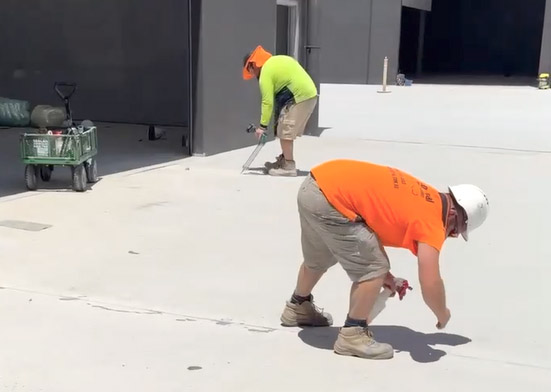
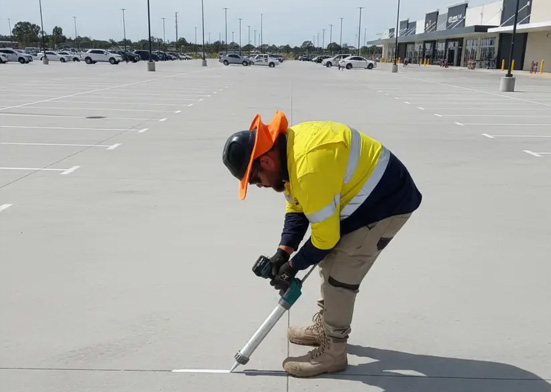
our projects

All remedial floor joint sealing is completed in accordance with project documentation, manufacturer technical data and relevant Australian Standards.

Request a Site Inspection

Book a professional remedial joint sealing contractor to assess the condition of your facility across Brisbane, the Gold Coast, Ipswich, or Moreton Bay.

SealTech Industries provides technical evaluation and specification-based recommendations aligned to commercial performance standards.

FREQUENTLY ASKED QUESTIONS?

How long does remedial floor joint caulking take?

Timeframes vary depending on area size and condition, but remedial floor joint caulking systems allow rapid return to service.


Not always—remedial wall joint caulking can often be staged or completed during off-peak hours to minimise disruption.

Typically 5–10+ years depending on traffic, environment, and material selection.
At least annually, or more frequently in high-traffic or harsh environments.
When should control joint sealing be completed in new construction?
After the concrete has adequately cured and dried, and before the joints are exposed to moisture, debris, or service conditions.

Most reputable contractors offer:

  • Condition assessments
  • Leak investigations
  • Maintenance recommendations

These services help identify issues early and plan remediation works efficiently.

Look for remedial caulking contractors who:

  • Have experience with similar building types
  • Use high-quality, compliant sealant systems
  • Provide detailed scope and methodology
  • Offer warranties or performance guarantees
  • Understand waterproofing and façade systems holistically
  • QBCC-Licensed and insured waterproofer
  • NCC and Australian Standards compliance

Brisbane

  • Ascot
  • Hamilton
  • New Farm
  • Teneriffe
  • Paddington
  • Bulimba
  • Bardon
  • Wilston
  • Highgate Hill
  • Indooroopilly

Gold Coast

  • Mermaid Beach
  • Broadbeach Waters
  • Burleigh Heads
  • Hope Island
  • Sanctuary Cove
  • Currumbin
  • Palm Beach
  • Varsity Lakes
  • Robina
  • Surfers Paradise

Ipswich

  • Springfield Lakes
  • Brookwater
  • Ripley
  • Brassall
  • Yamanto
  • Redbank Plains
  • Goodna
  • Bellbird Park
  • Augustine Heights
  • Raceview

Logan

  • Shailer Park
  • Daisy Hill
  • Cornubia
  • Springwood
  • Rochedale South
  • Loganholme
  • Beenleigh
  • Waterford
  • Meadowbrook
  • Park Ridge

Redland City

  • Wellington Point
  • Cleveland
  • Ormiston
  • Raby Bay
  • Birkdale
  • Thornlands
  • Capalaba
  • Victoria Point
  • Redland Bay
  • Mount Cotton