
Preventing Water Intrusion Through an Expansion Joint on Concrete Slab
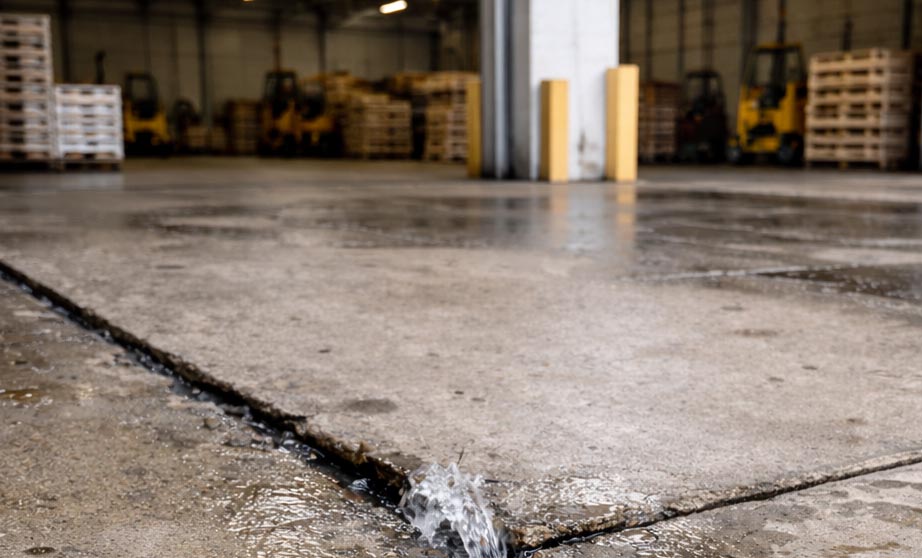
Expansion joints play an essential role in concrete slab construction. They allow the slab to expand, contract, and respond to structural movement without cracking. But when an expansion joint is poorly designed, incorrectly sealed, or left unmaintained, it can quickly become one of the most common entry points for water.
For Gold Coast properties, where heavy rain, humidity, and coastal exposure can all impact building materials, protecting expansion joints is a key part of long-term waterproofing performance. If water is allowed to enter through these joints, it can lead to concrete deterioration, internal water damage, mould issues, and costly repairs.
What Is an Expansion Joint?
An expansion joint on concrete slab is a deliberate gap between sections of concrete that allows for movement caused by temperature changes, shrinkage, settlement, and structural stress. These joints are usually filled with a flexible backing material and sealed at the surface to keep water out while still allowing the slab to move.
Although they are necessary for structural performance, they also create a vulnerable point in the slab. Without the right concrete caulking and expansion joint sealing system, water can track through the joint and into the structure below.
Why Water Intrusion Happens at Expansion Joints
Water leaks through expansion joints usually happen because of one or more underlying issues.
1. Sealant Failure
Joint sealants do not last forever. Over time, they can break down due to UV exposure, constant movement, weather conditions, and poor adhesion. Once the sealant cracks, hardens, or pulls away from the concrete, water can easily find its way in.
2. Poor Expansion Joint Design
If the joint is too narrow, too wide, or lacks the right backing and waterproofing components, it may fail long before it should. Incorrect detailing at the design stage often leads to recurring leak repairs later on.
3. Hydrostatic Pressure
In below-ground slabs, podium decks, basements, and other exposed concrete areas, water pressure can build up against the joint. Even a small weakness in the concrete caulking system can allow water to be forced through under pressure.
4. Movement Beyond Design Capacity
Concrete slabs move. If the movement exceeds what the sealant or joint system was designed to handle, the waterproof seal can split or lose adhesion. This is especially common where there are large temperature swings or minor structural settlement.
5. Poor Installation Practices
Even high-quality waterproofing products can fail if they are installed incorrectly. Dirty surfaces, incorrect primer use, poor sealant application, and incompatible materials are all common causes of early joint failure.
How to Prevent Water Intrusion Through Expansion Joints
The most effective way to stop water intrusion is to combine proper design, quality waterproofing products, and professional installation.
Use High-Performance Joint Sealants
Choose an elastomeric sealant such as polyurethane or polysulphide that is designed for movement and strong adhesion. The sealant should be compatible with the concrete substrate and suitable for the environmental conditions of the site.
For Gold Coast waterproofing projects, product selection is especially important due to high UV exposure, moisture, and coastal conditions.
Install Backer Rods Properly
Backer rods are essential for correct joint sealing. They help control sealant depth, prevent three-sided adhesion, and create the ideal sealant shape for movement.
A properly installed backer rod should:
- Be sized around 25 to 50 per cent larger than the joint width
- Act as a bond breaker to allow the sealant to flex correctly
- Support the correct sealant profile, usually an hourglass shape
Include a Suitable Waterproofing System
For high-risk or below-grade applications, surface sealing alone may not be enough. Additional waterproofing protection may include:
- PVC or rubber waterstops cast into the joint
- Hydrophilic waterbars that expand on contact with water
- Liquid-applied waterproof membranes over and around the joint area
These systems provide added protection where water exposure or water pressure is expected.
Prepare the Joint Correctly
Surface preparation is one of the most important parts of any successful leak repair or waterproofing application. Before sealing, the joint should be:
- Clean and free of dust, debris, laitance, and loose material
- Dry where the product specification requires it
- Primed if recommended by the manufacturer
Without proper preparation, even the best sealant system can fail prematurely.
Design for Expected Movement
Expansion joints must be sized and detailed to suit the expected movement in the slab. This means choosing a joint width, sealant type, and system capacity that can handle expansion and contraction over time.
Avoid overfilling or underfilling the joint, as both can reduce flexibility and compromise waterproofing performance.
Repair Methods for Leaking Expansion Joints
When water intrusion is already occurring, the repair method should be matched to the cause and severity of the leak.
Resealing the Joint
If the joint sealant has failed, a full reseal may be the best solution. This usually involves:
- Removing all failed sealant
- Cleaning and preparing the joint faces
- Installing a new backer rod
- Applying and tooling a compatible joint sealant
A proper reseal restores movement capability and provides a fresh watertight barrier.
Injection Grouting
For active leaks, particularly in basements or below-grade concrete slabs, injection grouting is often an effective solution. Polyurethane or epoxy injection systems can be used to fill voids, stop water pathways, and control pressurised leaks.
This is a common approach for concrete leak repairs where direct external access is limited.
External Waterproofing
Where access is available, installing an external waterproof membrane over the joint area can provide a secondary barrier against moisture ingress. This is often used as part of a broader remedial waterproofing strategy.
Mechanical Joint Covers
In exposed areas or high-traffic environments, mechanical expansion joint covers can offer extra protection while still allowing movement. These systems can be useful in commercial, industrial, and podium slab applications.
Ongoing Maintenance for Expansion Joint on Concrete Slab Matters
Like any waterproofing system, expansion joints should be inspected and maintained regularly. Preventive maintenance for expansion joint on concrete slab helps identify small issues before they turn into major water damage.
A good maintenance plan should include:
- Annual inspections at a minimum
- Checking for cracks, gaps, debonding, or hardened sealant
- Replacing failing sealants before leaks develop
- Keeping joints clear of debris and standing water
For property owners and builders on the Gold Coast, routine expansion joint on concrete slab maintenance is a practical way to reduce the risk of costly concrete joint sealing failures.
Conclusion
Expansion joints are essential for the structural performance of concrete slabs, but they must also be treated as critical waterproofing details. When these joints are not properly designed, sealed, or maintained, they can become a direct path for water intrusion.
The best results come from a combination of correct joint design, high-performance sealants, premium expansion joint sealing systems, and skilled installation by a professional joint sealers from Brisbane or Gold Coast. When leaks do occur, early action through resealing, injection grouting, or remedial joint sealing can prevent more serious structural and interior damage.
For long-term protection, maintenance on expansion joint on concrete slab should always be part of a broader concrete waterproofing strategy.