SealTech Industries: Setting the Standard in Compliance
In the competitive Australian construction and maintenance landscape, technical skill is only half the battle. For SealTech Industries (operating at sealtechindustries.au), the other half is a rigorous commitment to industry compliance.
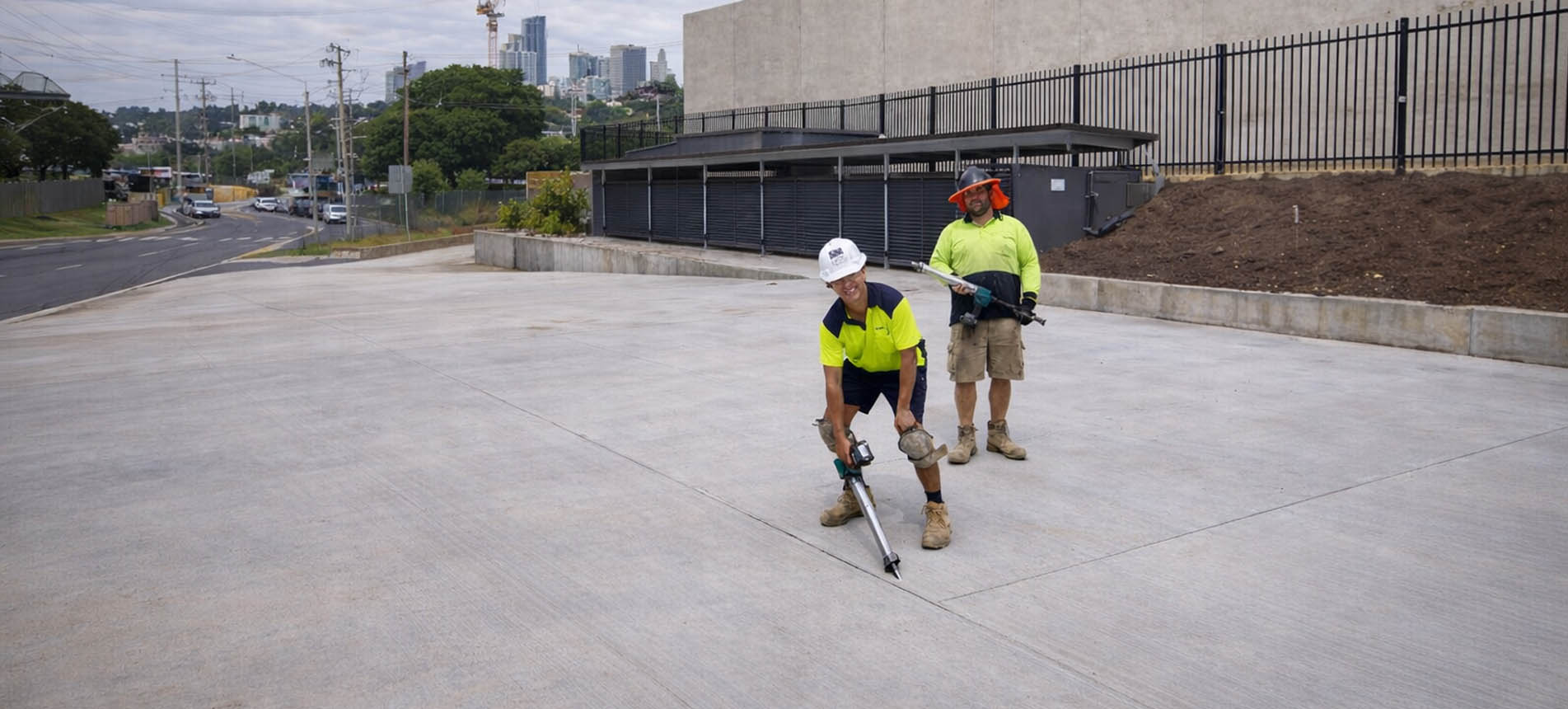
As specialists in industrial expansion joint repair and commercial sealing throughout South-East Queensland and Northern NSW, their operational framework is built on three core pillars: Safety (WHS), Structural Quality (AS), and Licensing (QBCC).
1. Regulatory Licensing: The QBCC Foundation
In Queensland, performing structural or specialized maintenance like joint sealing requires specific licensing to protect consumers and property owners.
- QBCC Licensed: SealTech Industries operates as a licensed contractor under the Queensland Building and Construction Commission. This license is a mandatory requirement for any contractor performing work over a certain value and serves as a guarantee of their professional standing.
- NCC Compliance: All repair methodologies and materials are selected to align with the National Construction Code (NCC), ensuring that any work performed on a building meets the legal safety and performance benchmarks required by Australian law.
2. Workplace Health & Safety (WHS) Excellence
Industrial environments—warehouses, logistics hubs, and manufacturing plants—present unique hazards such as heavy forklift traffic and chemical exposure. SealTech manages these through:
- Site-Specific SWMS: For every industrial expansion joint repair project, they implement Safe Work Method Statements (SWMS). These documents identify high-risk activities (such as routing joints or working near machinery) and outline the controls in place to mitigate risk.
- Dust Control & Silica Safety: Using vacuum-shrouded equipment and diamond grinding, the company adhere to modern safety standards regarding crystalline silica dust, ensuring a clean environment for both their workers and the client’s “live” operational staff.
3. Technical Standards for Performance
SealTech specifies high-performance systems that meet specific Australian Standards (AS) to ensure repairs don’t just look good, but last for years.
| Standard | Focus Area | Why It Matters for Joint Repair |
|---|---|---|
| AS 1859.1 | Installation Quality | Governs the technical precision required for joint placement and sealant application. |
| AS 3600 | Concrete Structures | Ensures joint repairs maintain the structural integrity and load-bearing capacity of the slab. |
| AS 1428.1 | Access & Mobility | Critical for public-facing repairs to ensure joints remain flush and do not become “trip hazards.” |
4. Material Specification & Warranty Compliance
A repair is only as good as the chemical bond it forms. SealTech ensures compliance through:
- Manufacturer Technical Data Sheets (TDS): Every sealant—whether it’s a high-movement silicone for a facade or a semi-rigid polyurea for a warehouse floor—is installed exactly to the manufacturer’s technical specifications. This is essential for maintaining product warranties.
- Chemical Resistance: In industrial settings, materials are selected to comply with the specific environmental demands of the site, such as resistance to fuels, oils, or cleaning chemicals.
Summary: Why Compliance Matters
For facility managers and developers, hiring a compliant specialist like SealTech Industries provides “Total Risk Mitigation.”
- Reduced Liability: Work meets all Australian building codes.
- Asset Protection: Repairs are designed to handle real-world thermal movement and traffic loads.
- Audit Readiness: Their documentation provides a clear paper trail for safety and quality audits.