
Understanding Vertical Panel Movement Joints
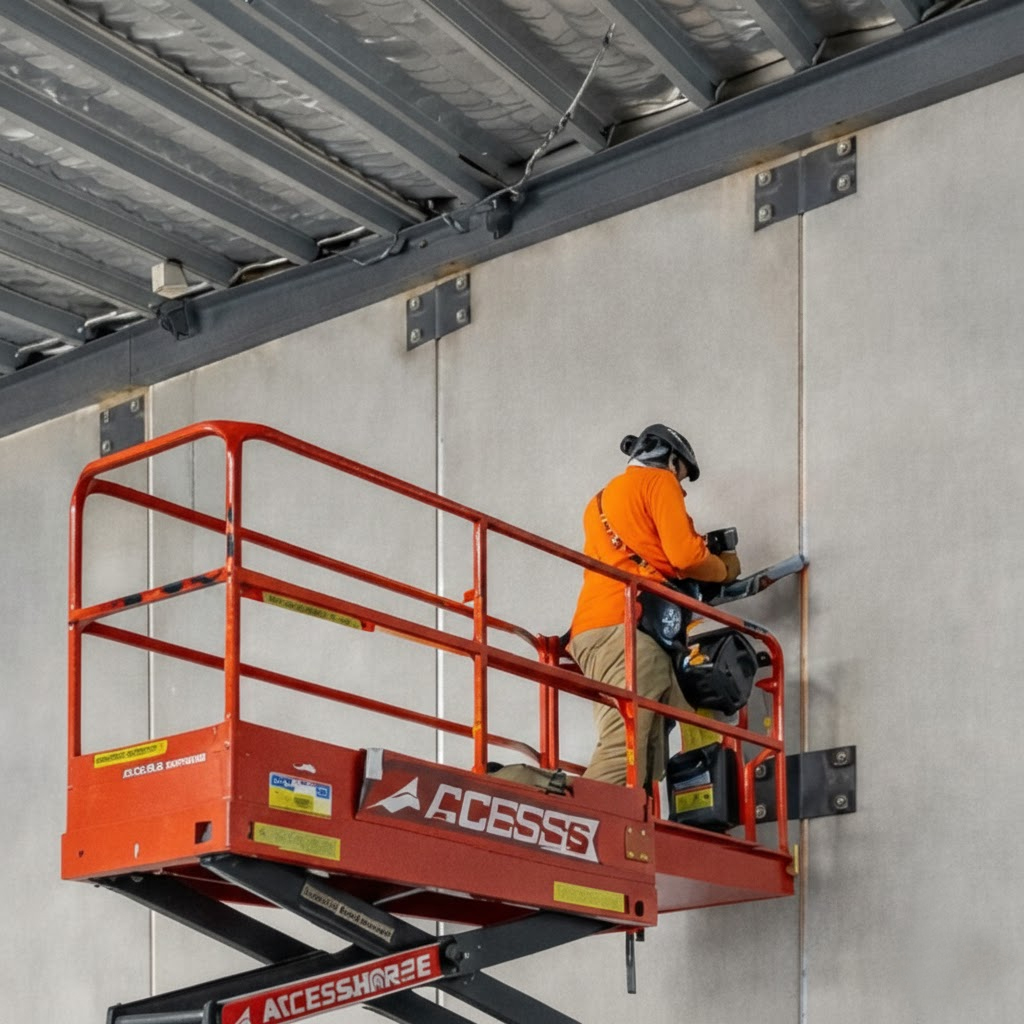
Vertical panel movement joints are deliberate gaps or separations introduced in masonry or concrete walls to accommodate natural movements such as thermal expansion, contraction, shrinkage, and moisture-related changes. Without these joints, stresses build up in large wall panels, leading to unsightly cracks or structural damage.
1. Why They Are Required
Wall panels move due to:
- Thermal expansion and contraction
- Moisture-related shrinkage or swelling
- Creep (in concrete)
- Structural deflection
- Foundation settlement
- Seismic or wind-induced movement
Without joints, restrained movement results in:
- Cracking
- Spalling
- Joint failure
- Water ingress
- Panel bowing or distortion
2. What They Look Like
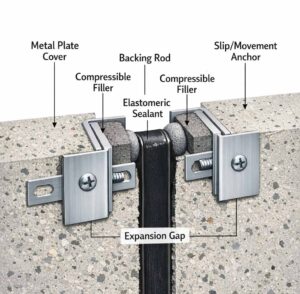
A vertical movement joint typically consists of:
- A deliberate gap between panels (often 10–25 mm, depending on design)
- A compressible backing material (backer rod)
- Flexible sealant (e.g., polyurethane, silicone)
- In some systems: joint covers or battens
In precast or tilt-up construction, these joints run full height between adjacent panels.
300×300 photo
3. How They Function
They allow:
- Panels to expand/contract independently
- Lateral structural drift
- Differential movement between materials
The sealant stretches or compresses as the joint opens or closes.
4. Common Applications
Vertical panel movement joints are used in:
- Precast concrete wall panels
- Tilt-up concrete construction
- Brick veneer systems
- Fibre cement cladding
- External façade systems
- Large industrial buildings and warehouses
Given your involvement in waterproofing (Superior Waterproofing), these joints are critical because:
- They are a primary water ingress risk point
- Sealant specification and installation quality are essential
- Poor detailing leads to façade leakage issues
5. Design Considerations
Key parameters include:
- Expected movement (±%)
- Joint width calculation
- Sealant movement capability (e.g., ±25%, ±50%)
- Substrate preparation
- Bond breaker usage
- UV and weather exposure
- Fire rating (if required)
Engineers calculate joint spacing based on:
- Panel length
- Coefficient of thermal expansion
- Temperature range
- Material properties
6. Difference from Other Joints
| Joint Type | Orientation | Purpose |
| Vertical panel movement joint | Vertical | Accommodates horizontal expansion/contraction |
| Horizontal movement joint | Horizontal | Accommodates vertical movement |
| Control joint | Either | Controls crack location |
| Construction joint | Either | Where concrete pours stop/start |
| Expansion joint | Full separation | Allows major structural movement |
How to Treat Vertical Panel Movement Joints
Vertical panel movement joints are not just gaps—they are functional design features that need proper treatment to ensure durability, weather resistance, and aesthetics.
Here’s how they are typically handled in construction practice:
1. Design Stage Considerations
Joints should be planned at regular intervals (often every 6–12 m depending on material and exposure).
Placement must account for wall geometry, openings, restraints, and sun orientation, since these factors influence stress buildup.
2. Joint Formation
Joints are usually formed by leaving a vertical gap in the masonry or concrete panel.
The width of the joint depends on the expected movement (commonly 10–20 mm).
Bed joint reinforcement (BJR) may be used alongside movement joints to reduce cracking risk.
3. Sealing the Joint
The gap is filled with a flexible sealant (e.g., polyurethane, polysulfide, or silicone) that can expand and contract.
A compressible backing rod is often inserted before joint sealing to control depth and improve adhesion.
Sealant must be applied neatly to maintain both weatherproofing and appearance.
4. Maintenance
Joints should be inspected periodically for sealant deterioration.
Remedial concrete joint sealing may be required over time, especially in harsh climates or exposed façades.
—————————
#category: knowledge base
Related topics:
• Slab-to-panel interface joints
• Warehouse slab control joints
• Expansion joints
Previous articles:
- Commercial Concrete Joint Maintenance: Repair vs Replacement Strategies Explained
- Why Hiring a Joint Sealing Contractor in Logan Is Essential for Long-Lasting Structures
- Questions to Ask Before Hiring Professional Caulkers Brisbane