
Commercial Concrete Joint Maintenance: Repair vs Replacement Strategies Explained
Concrete is the backbone of commercial infrastructure. From warehouse floors and parking lots to retail spaces and loading docks, it provides the durability needed to withstand heavy traffic, machinery, and environmental stress. Yet, despite its strength, concrete is not indestructible.
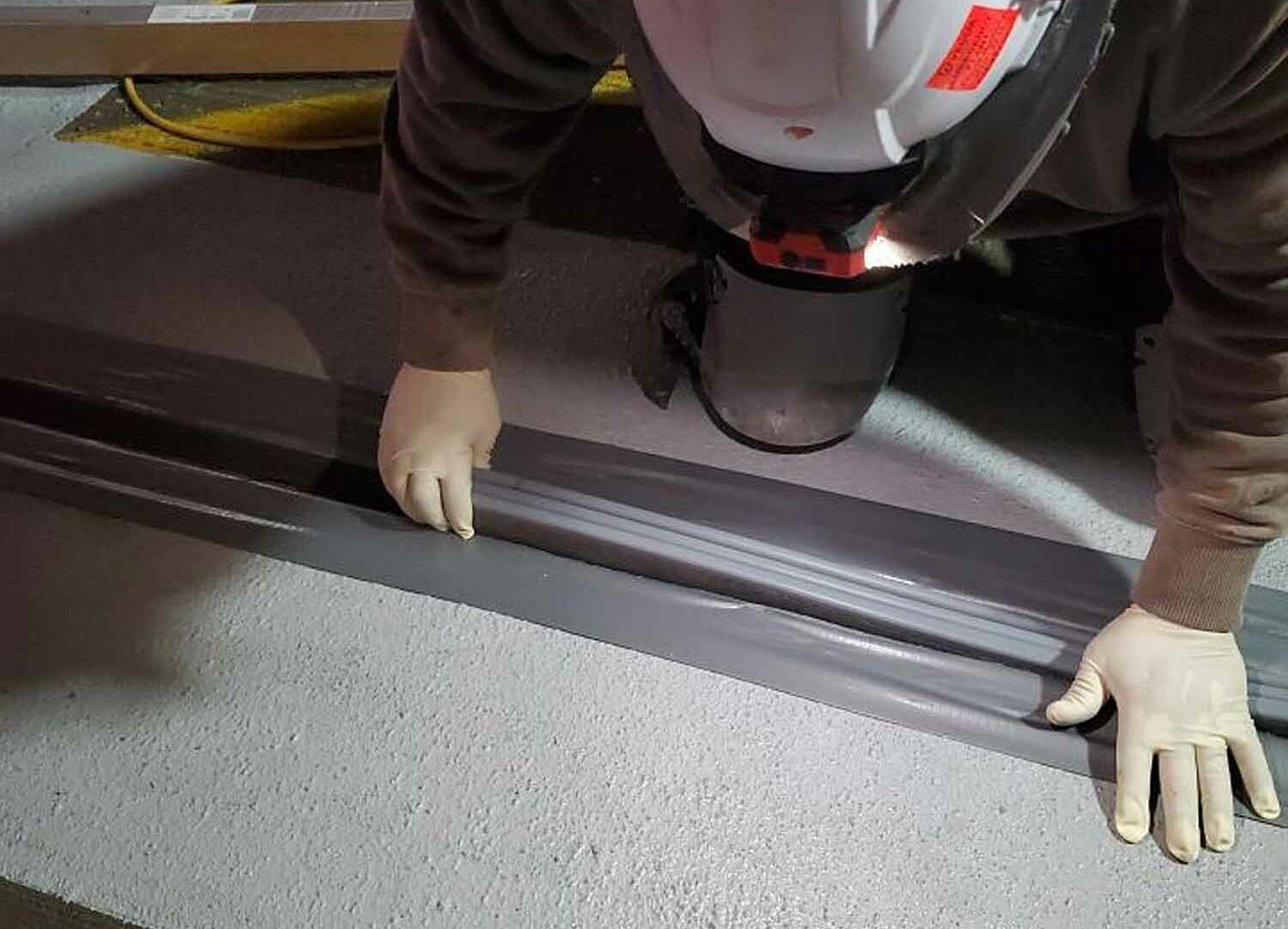
The joints—those seams designed to allow expansion, contraction, and load transfer—are often the first points of failure. When deterioration sets in, facility managers face a critical decision: repair or replace. Choosing wisely can save money, reduce downtime, and extend the life of the structure.
Why Concrete Joints Matter
Concrete joints are more than just seams; they are engineered features that:
- Absorb movement caused by temperature fluctuations and shrinkage.
- Transfer loads between slabs, preventing cracks and uneven settlement.
- Protect durability by reducing water infiltration and shielding reinforcement steel.
When joints fail, consequences include trip hazards, structural damage, and costly operational disruptions. For commercial facilities, this can mean safety risks, regulatory issues, and interruptions to business continuity.
Common Causes of Joint Deterioration
- Heavy traffic loads from forklifts, trucks, and machinery.
- Moisture infiltration leading to corrosion of reinforcement.
- Freeze-thaw cycles in colder climates causing expansion and cracking.
- Chemical exposure from de-icing salts, oils, or industrial spills.
- Poor installation or inadequate joint design.
Understanding the root cause is essential before deciding whether repair or replacement is the right strategy.
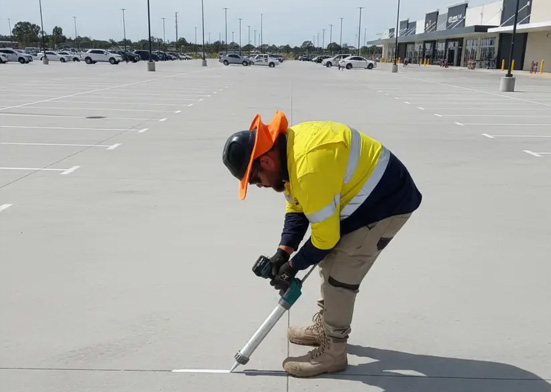 Repair Strategies in Commercial Concrete Joint Maintenance
Repair is often the first line of defense when damage is detected early. It is suitable for minor to moderate deterioration and can extend the service life of concrete joints without major disruption.
Common Repair Methods
- Joint sealing: Applying flexible sealants to prevent water and debris infiltration.
- Epoxy or polyurethane injection: Filling cracks to restore structural integrity.
- Surface patching: Using rapid‑set mortars or polymer‑modified concrete to rebuild damaged edges.
- Grinding and leveling: Smoothing uneven joints to eliminate trip hazards.
Advantages of Concrete Joint Repair
- Lower upfront cost.
- Minimal downtime—repairs can often be completed quickly.
- Effective for localized damage.
- Extends service life without full replacement.
Limitations of Repair
- Repairs may be temporary if underlying issues persist.
- Frequent maintenance cycles may be required.
- Not suitable for severe structural damage or subgrade failure.
Replacement Strategies in Commercial Concrete Joint Maintenance
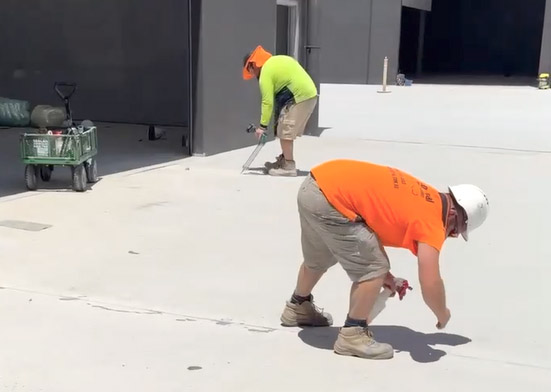
When damage is extensive or recurring, replacement becomes the more sustainable option. This involves cutting out the damaged section and installing new concrete with properly designed joints.
Indicators for Replacement
- Wide cracks or severe spalling that compromise safety.
- Subgrade failure leading to uneven settlement.
- Repeated repairs that fail to hold.
- Structural damage affecting load‑bearing capacity.
Advantages of Replacement
- Long‑term durability.
- Opportunity to upgrade joint design or materials.
- Reduced risk of recurring failures.
- Compliance with safety and performance standards.
Limitations of Replacement
- Higher upfront cost.
- Longer downtime for curing and installation.
- Requires professional expertise and planning.
Strategic Approach to Decision-Making
- Inspection & Assessment
Regular monitoring of joints for cracks, spalling, and water infiltration is essential. Early detection allows for timely repairs before damage escalates. - Root Cause Analysis
Identify whether damage stems from load stress, poor installation, or environmental exposure. Addressing the cause prevents recurrence. - Cost‑Benefit Evaluation
Compare short‑term savings of repair against long‑term stability of replacement. Consider both direct costs and indirect costs such as downtime. - Future Planning
Align maintenance decisions with operational schedules. Repairs may suit peak business periods, while replacements can be scheduled during downtime.
Case Examples
- Warehouse Floors: Heavy forklift traffic often causes joint edge spalling. Quick repairs with epoxy or patching can restore safety, but repeated failures may necessitate full replacement.
- Parking Lots: Exposure to weather and vehicle loads can lead to deep cracks. If water infiltration compromises the subgrade, replacement is the only viable option.
- Retail Spaces: Cosmetic cracks may be repaired to maintain aesthetics and safety, but structural issues under high foot traffic may require replacement.
Balancing Safety, Cost, and Performance
The decision between repair and replacement is not purely financial. Safety, compliance, and long‑term performance must be factored in. A poorly maintained joint can lead to accidents, liability claims, and regulatory penalties. Conversely, proactive replacement can enhance durability and reduce future maintenance costs.
Conclusion
Commercial concrete joint maintenance is a balancing act between repair and replacement. Repairs are effective for minor issues and short‑term continuity, while replacements are essential when structural integrity is at stake. The smartest strategy lies in proactive inspection, timely intervention, and balancing cost with performance. By understanding when to repair and when to replace, businesses can safeguard their infrastructure, reduce risks, and ensure smooth operations for years to come.